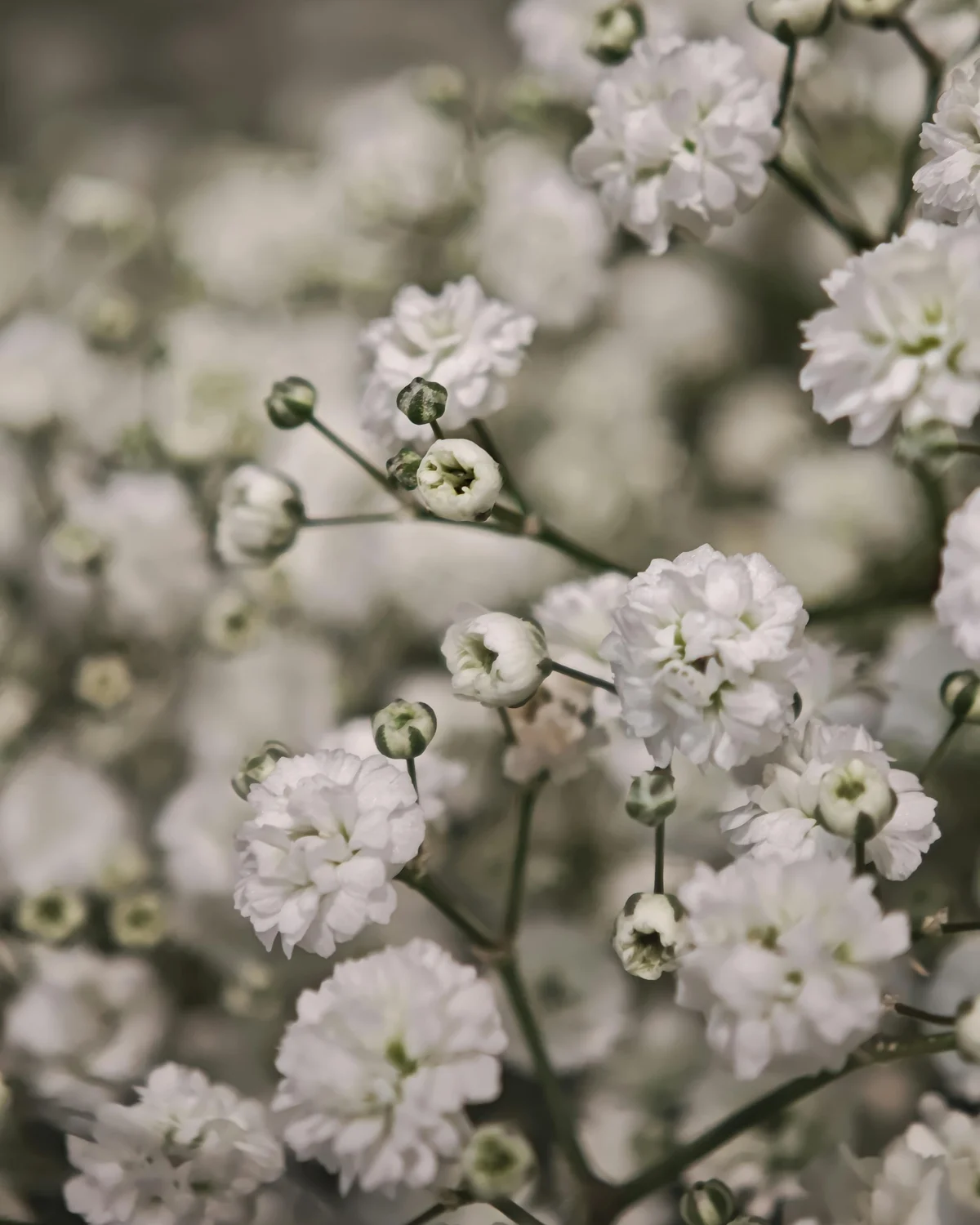
Great as a gift 🌸
Baby's Breath
Gypsophila elegans · Caryophyllaceae
How it looks
Baby's Breath is a herb that produces clouds of very small five-petaled white to pale-pink flowers on slender branching stems. Its leaves are very narrow and grey-green, and it is most commonly used as filler in bouquets. It grows about 16-31 in (40-80 cm) tall.
The safety call on this page is based on Gypsophila elegans, which the ASPCA lists as non-toxic to cats. The baby’s breath sold as a cut flower in Korea is usually Gypsophila paniculata, which is not listed separately, so it has no cat-specific verdict. No Gypsophila species appears on the ASPCA toxic list. Either way, the ASPCA notes that a large mouthful can bring mild vomiting or diarrhea.
Guide for parents
This page covers Gypsophila elegans, the species the ASPCA lists as non-toxic to cats. The baby's breath sold as a cut flower in Korea is usually a different species in the same genus (Gypsophila paniculata), and we keep a separate page for it. If you are unsure which one is in your bouquet, read that page as well.
This species itself is non-toxic — though the ASPCA notes that ingestion may bring on mild GI upset such as vomiting and diarrhea. What deserves more attention is the other flowers bundled into the same bouquet. Check for any lilies mixed in as soon as it arrives.
If you let it dry, it's no big deal if your cat plays with and swallows the small flower bits that fall off.
Details
- Scientific name
- Gypsophila elegans
- Common name
- Baby's Breath
- Family
- Caryophyllaceae
- Source
- ASPCA cats plant list
Related plants
Same plant family· Caryophyllaceae
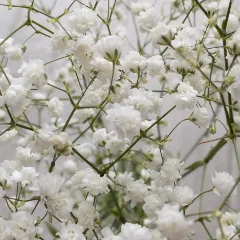
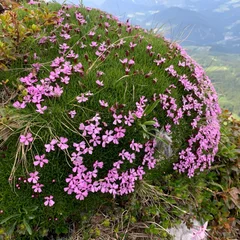
Other safe flowers
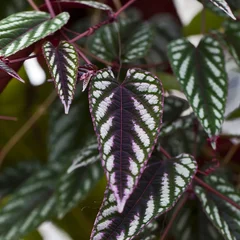
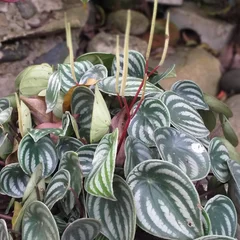
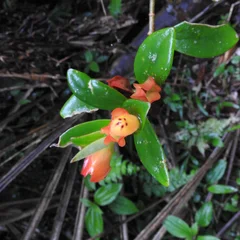
Related guides
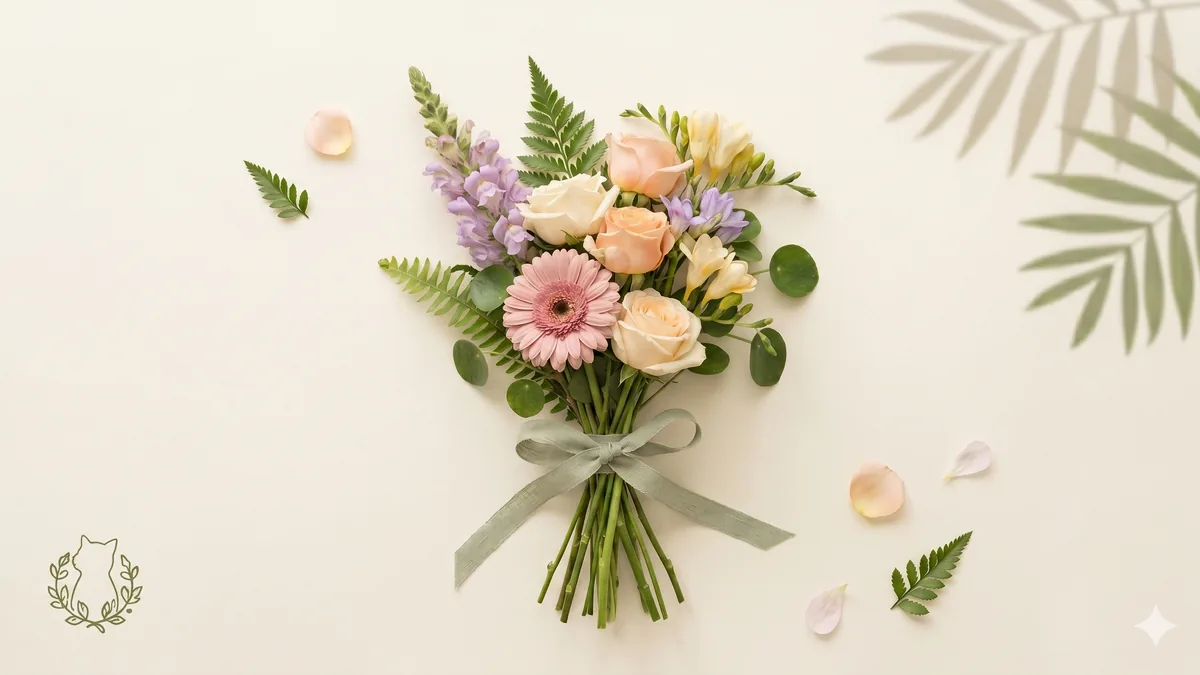
7 Cat-Safe Flowers to Give a Cat Owner
Want to give flowers to a friend or family member who has a cat? Here are 7 flowers that are both beautiful and safe for cats.
Why Cats Chew Plants, and How to Stop It
A cat chewing and tearing at plants isn't just mischief — there's an instinct behind it. Once you understand why, the ways to stop it follow naturally.