Great as a gift 🌸
Chestnut
Castanea dentata · Fagaceae
How it looks
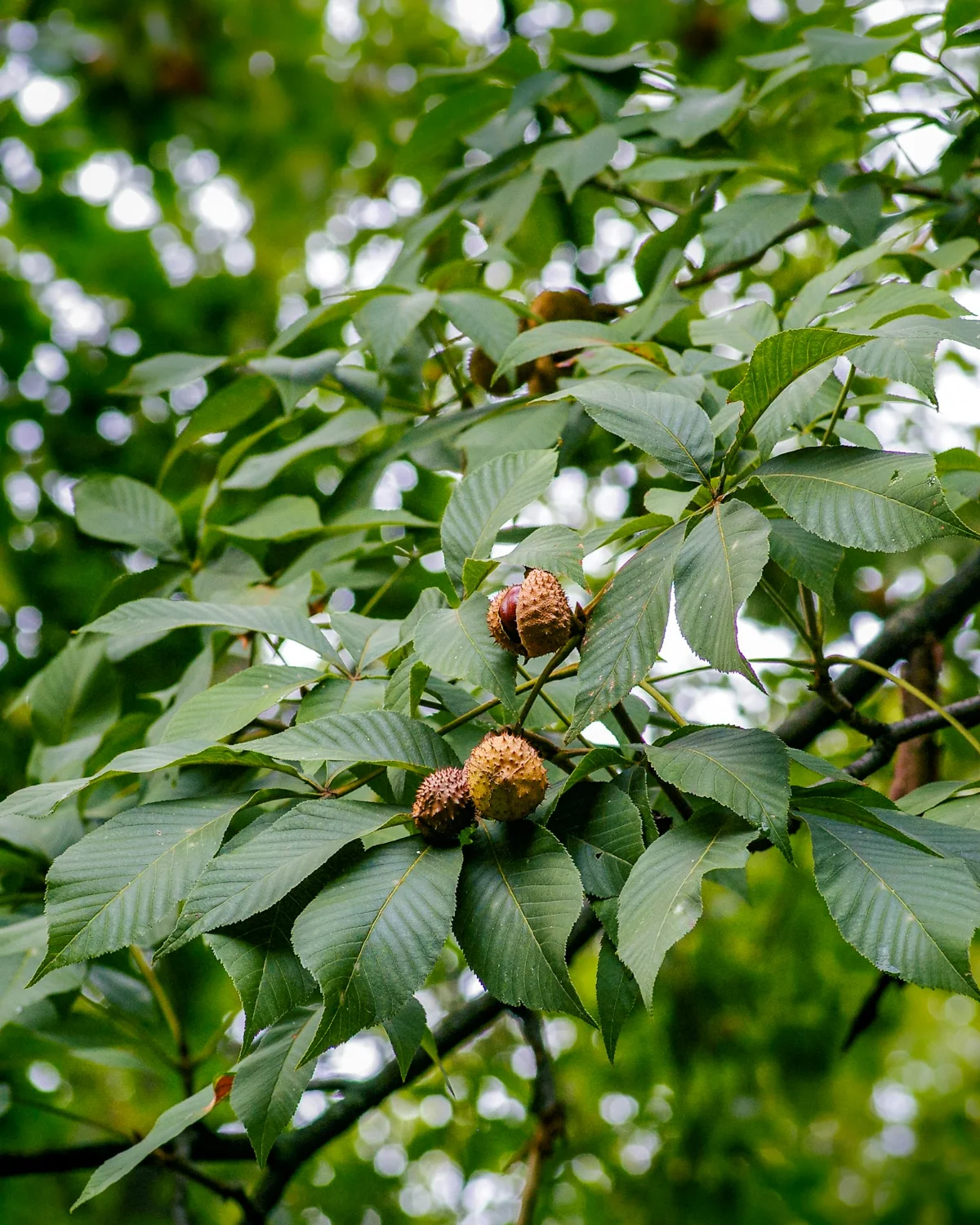
Chestnut is a large deciduous tree with alternate, narrow, long, dark green leaves with sharp serrations. In summer, long, slender white to pale yellow flower spikes hang from the branches, and in fall a spiny round leathery husk holds the brown chestnut inside. It grows 49-98 ft (15-30 m) tall.
Chestnut is listed as non-toxic to cats by the ASPCA. An occasional nibble is unlikely to cause any real trouble.
Guide for parents
One note on species first. This page rests on the ASPCA verdict for the American chestnut (Castanea dentata). Other chestnuts sold under the same name, such as the Japanese chestnut (Castanea crenata), are not on that list; C. dentata is the only Castanea entry ASPCA carries, so no cat-specific verdict covers the rest.
Even with a safe plant, make a habit of picking up fallen leaves the same day.
If your cat likes to dig in or eat potting soil, fertilizer ingredients can upset their stomach — covering the soil with pebbles works well.
If it comes home as a cut stem, florists often treat it with preservatives, so place the vase where your cat can't drink the water.
Details
- Scientific name
- Castanea dentata
- Common name
- Chestnut
- Family
- Fagaceae
- Source
- ASPCA cats plant list
Related plants
Other safe flowers
Related guides
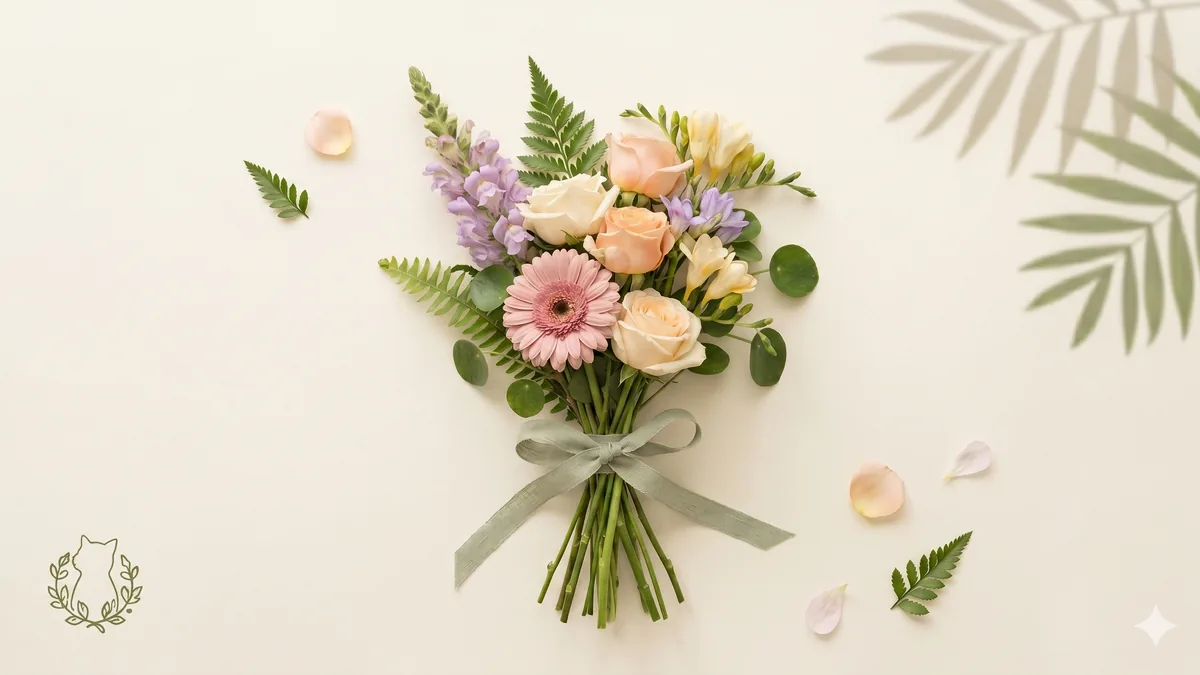
7 Cat-Safe Flowers to Give a Cat Owner
Want to give flowers to a friend or family member who has a cat? Here are 7 flowers that are both beautiful and safe for cats.
Why Cats Chew Plants, and How to Stop It
A cat chewing and tearing at plants isn't just mischief — there's an instinct behind it. Once you understand why, the ways to stop it follow naturally.