Great as a gift 🌸
Lisianthus
Eustoma grandiflorum · Gentianaceae
How it looks
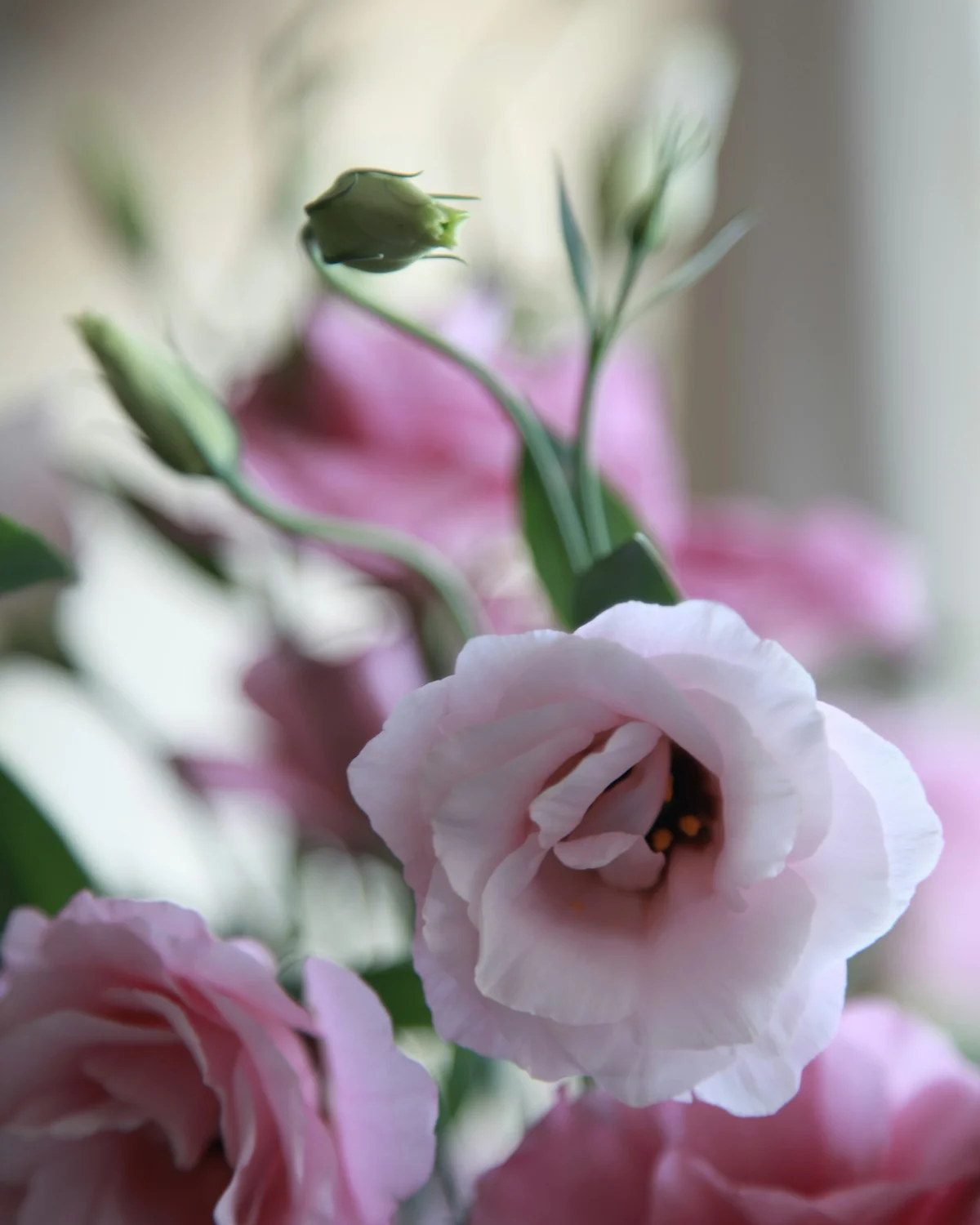
Lisianthus is sold both as a full, rose-like double-flowered variety and as a simple, bellflower-like single form, with buds that form in a bell shape. Colors range widely from purple, white, and pink to pale green, and the petal edges have a subtle wavy ruffle.
The ASPCA Animal Poison Control Center calls lisianthus (Eustoma grandiflorum) "another non-toxic plant", naming it with its scientific name. The basis is an ASPCA publication rather than an entry on the species-level toxic plant list, so it is one step weaker than a listed species.
Guide for parents
Lisianthus is a flower the ASPCA Animal Poison Control Center describes as non-toxic. Four articles between 2016 and 2022 name it among pet-safe bouquet flowers, and the 2020 one says directly that "Lisianthus (Eustoma grandiflora) … are another non-toxic plant that will add to a bouquet." All four give the scientific name, so there is no doubt which flower is meant.
It helps to know the grain of that evidence. This verdict comes from ASPCA bouquet guidance, not from the organisation’s species-level toxic plant list, so it is one step weaker than a listed species. Those articles also add that while these plants are considered safe, any ingestion may cause mild stomach upset because they are not part of a pet’s normal diet.
Both frilly, rose-like double-bloom varieties and simple single-bloom varieties are sold, often in bouquets and arrangements from florists. The petals are thin and shed easily, so clear away fallen petals the same day, and keep vase water — often treated with florist preservatives — out of reach.
Look at what else came in the bundle. If even one lily is mixed in, that is a far greater risk than the lisianthus, so check the bouquet as soon as it arrives.
A large mouthful may bring mild vomiting or loose stool. If that repeats or your cat seems listless, contact your vet.
Details
- Scientific name
- Eustoma grandiflorum
- Common name
- Lisianthus
- Family
- Gentianaceae
- Source
- ASPCA Animal Poison Control Center (APCC) article — not on the plant list
Also known as
Related plants
Same plant family· Gentianaceae
Other safe flowers
Related guides
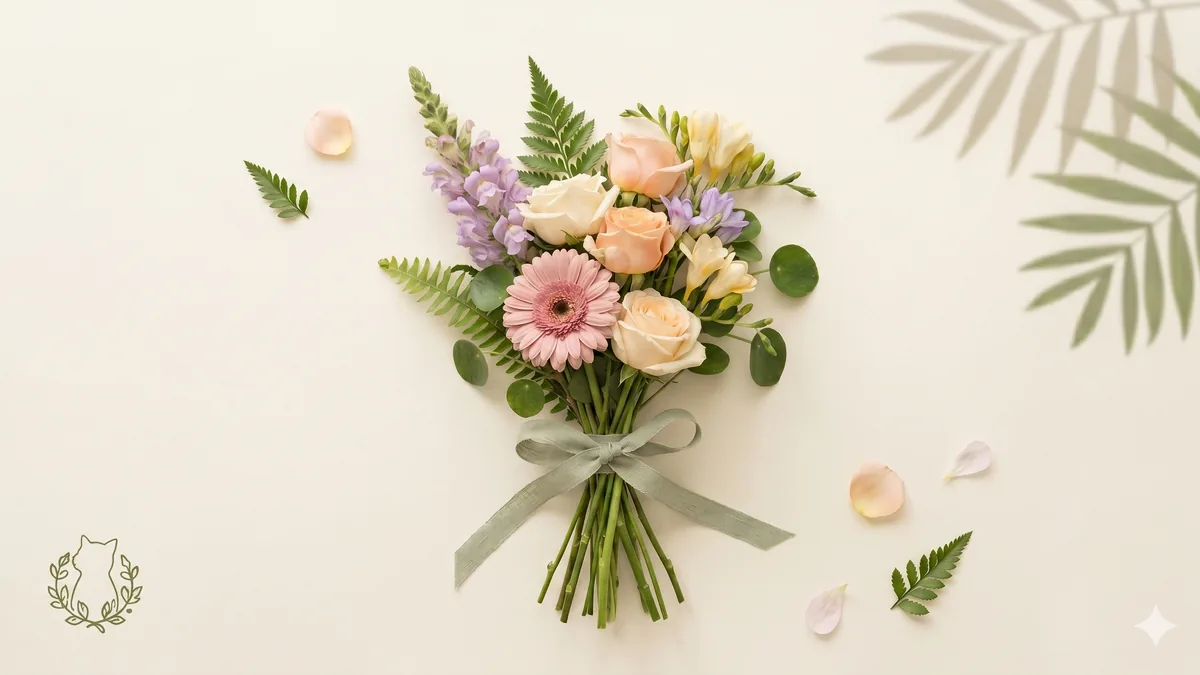
7 Cat-Safe Flowers to Give a Cat Owner
Want to give flowers to a friend or family member who has a cat? Here are 7 flowers that are both beautiful and safe for cats.
Why Cats Chew Plants, and How to Stop It
A cat chewing and tearing at plants isn't just mischief — there's an instinct behind it. Once you understand why, the ways to stop it follow naturally.