Orange Jasmine
Murraya paniculata · Rutaceae
How it looks
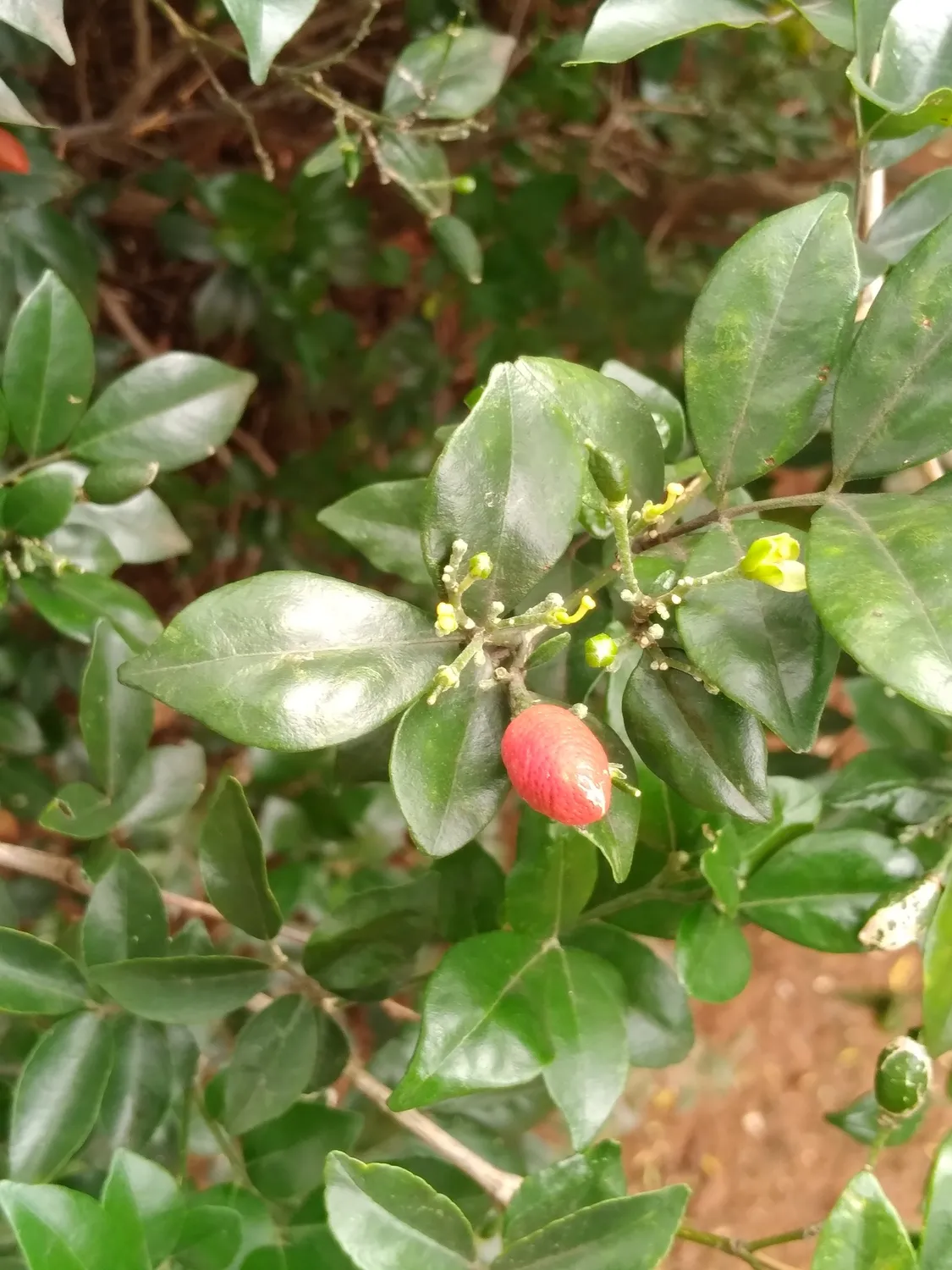
Orange Jasmine (Murraya paniculata) is an evergreen shrub distinguished by small, glossy, feather-shaped dark-green leaves and white star-shaped flowers. The blooms are very fragrant, with a scent resembling orange. The leaves and flowers release scent when touched. Height 3-10 ft (1-3 m).
No toxicity data available
Orange Jasmine is not listed in the ASPCA's toxic plants list for cats, and NC State Extension has no toxicity data for it either. With no confirmed evidence either way, we cannot call it safe — exercise caution if your cat has access to it.
If ingested
Contact your nearest vet immediately
- Action
- Make a habit of clearing away fallen leaves the same day. Consult a vet if vomiting persists.
Guide for parents
Orange Jasmine has no official toxicity data, so it is hard to say for certain whether it is safe.
This page used to present the plant's absence from the ASPCA database as if it were reassurance. Being absent from that list means the plant was never assessed, so the wording has been corrected.
It is a strongly scented shrub, and indoors a cat will follow that scent to it. The dense twiggy growth also makes the leaves easy to chew, so keep the pot off your cat's usual routes. If ingestion is suspected, or you see vomiting, diarrhea, or loss of appetite, contact your vet.
Details
- Scientific name
- Murraya paniculata
- Common name
- Orange Jasmine
- Family
- Rutaceae
- Source
- No confirmed source for cats — not listed by ASPCA
Related plants
Same plant family· Rutaceae
Related guides
Top 10 Flowers Dangerous to Cats — The Ones You See at Florists
Ten flowers you'll commonly find at florists and grocery stores that are toxic to cats. Check before you receive them, and before you bring them home.
Got a Bouquet? What to Do If You Have a Cat
A bouquet is a lovely surprise — but if you live with a cat, there are a few things to take care of right away. From checking what's in the arrangement to choosing the right vase, here's what actually helps, in order.
Why Cats Chew Plants, and How to Stop It
A cat chewing and tearing at plants isn't just mischief — there's an instinct behind it. Once you understand why, the ways to stop it follow naturally.