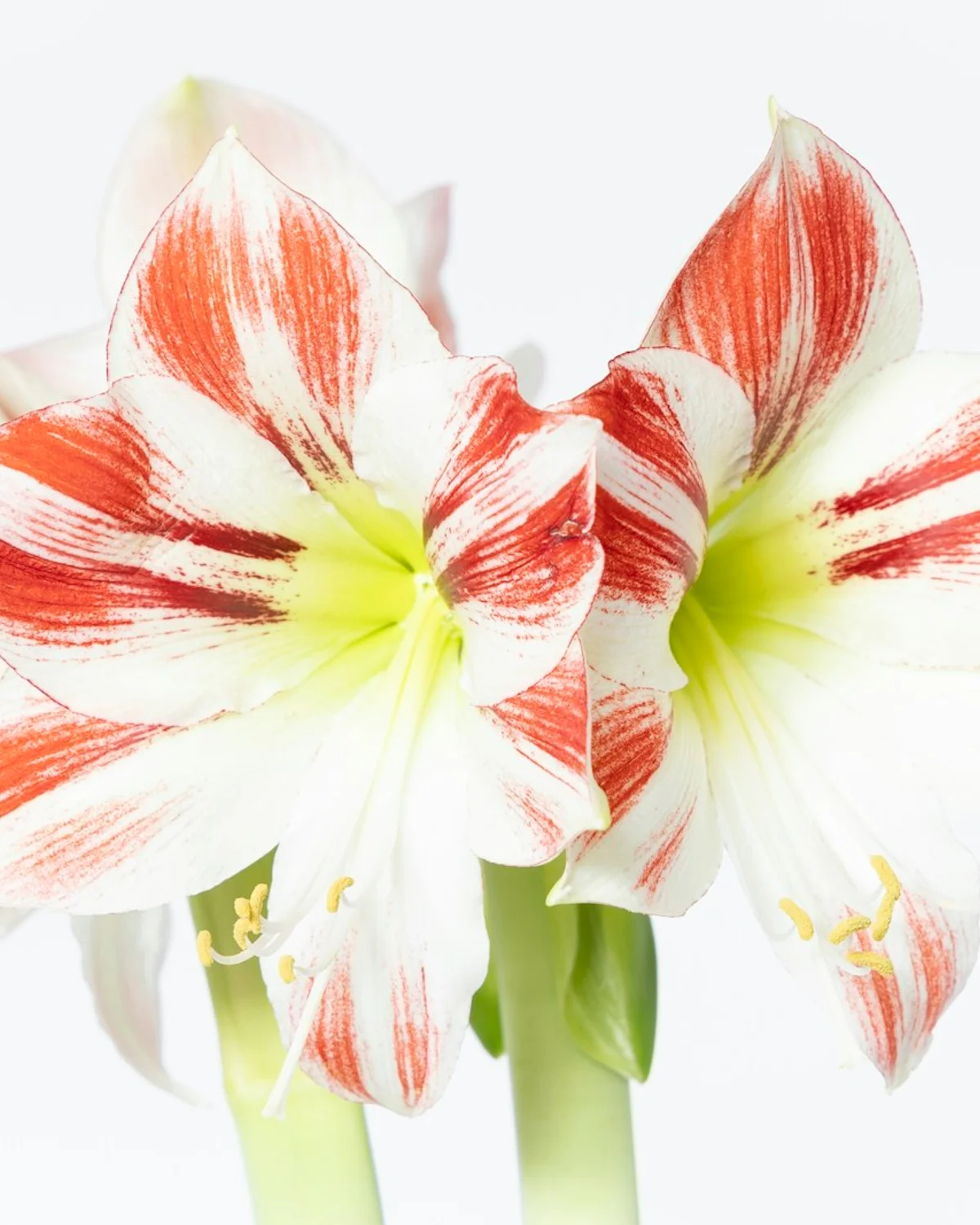
Amaryllis
Hippeastrum · Amaryllidaceae
How it looks
Amaryllis is a bulb plant in which 2-6 large trumpet-shaped flowers cluster at the top of a thick stalk. The colors are varied, including red, pink, white, and striped, and the showy flowers are 4-8 in (10-20 cm) in size. The leaves are broad, long, and strap-shaped. It grows 16-28 in (40-70 cm) tall.
Caution — monitor for GI symptoms
The bulbs, leaves, and flowers of Amaryllis contain irritating compounds that can cause vomiting, drooling, and diarrhea if chewed. Large ingestions can go on to tremors or convulsions, so as a caution-level plant it calls for monitoring.
If ingested
Contact your nearest vet immediately
- Action
- Consult a vet and monitor. Go in immediately if symptoms worsen.
- Symptoms
- Vomiting, Drooling, Diarrhea, Convulsions, Low blood pressure, Tremors, Cardiac arrhythmia
- Onset (typical course)
- 1–4 hours after ingestion
Guide for parents
The lycorine and other alkaloids in Amaryllis irritate the stomach and mucous membranes, so chewing it can bring vomiting, drooling, and diarrhea. The bulb holds the most toxin, and large ingestions can go on to tremors or convulsions.
Make a habit of clearing away fallen leaves or broken stems the same day, and keep the pot somewhere your cat can't reach.
If symptoms last more than 12 hours or your cat's appetite clearly drops, consult your vet.
Details
- Scientific name
- Hippeastrum
- Common name
- Amaryllis
- Family
- Amaryllidaceae
- Toxic parts
- Bulbs, Leaves, Flowers
- Compounds
- Lycorine, Alkaloids
- Source
- ASPCA cats plant list
Related plants
Same plant family· Amaryllidaceae
Related guides
What to Do If Your Cat Ate a Lily
Lilies are deadly to cats. Eating a single leaf can lead to kidney failure. If you suspect your cat has ingested any part of a lily, here's what to do right now.
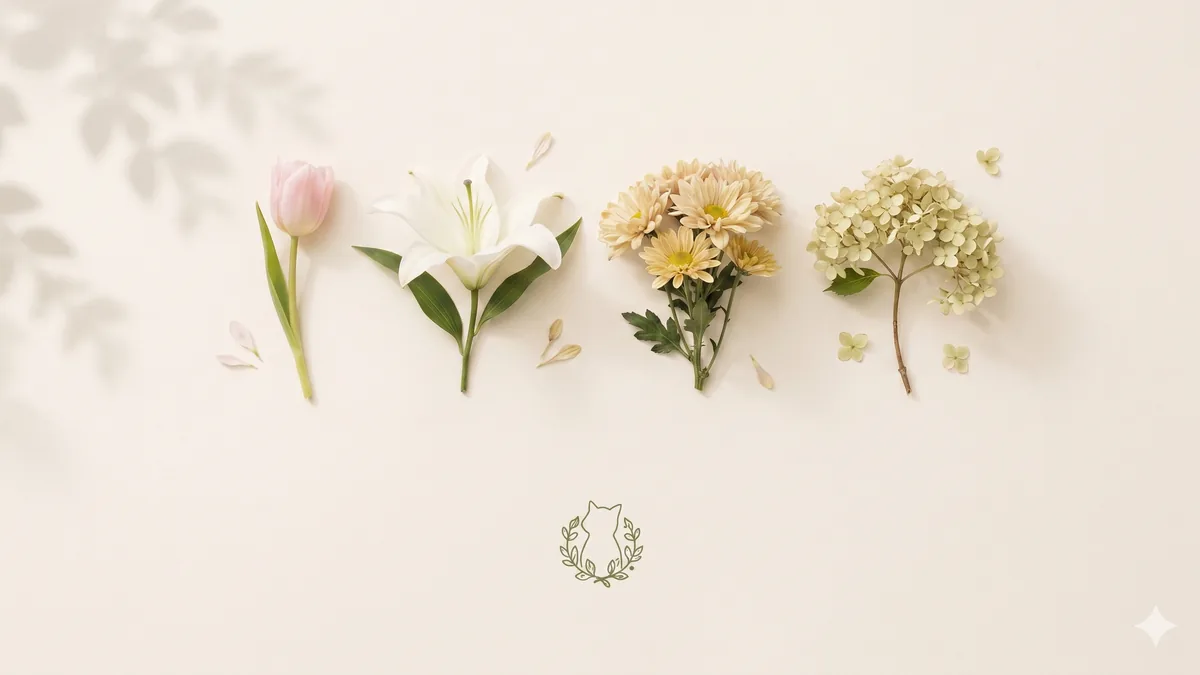
Top 10 Flowers Dangerous to Cats — The Ones You See at Florists
Ten flowers you'll commonly find at florists and grocery stores that are toxic to cats. Check before you receive them, and before you bring them home.
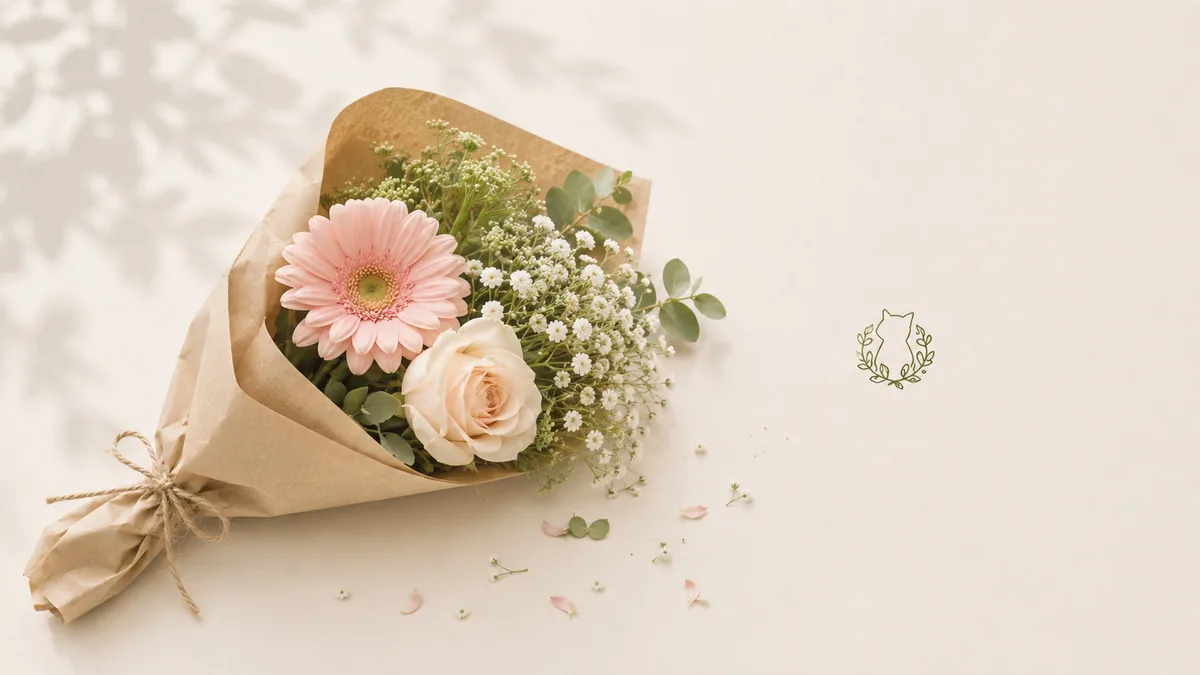
Got a Bouquet? What to Do If You Have a Cat
A bouquet is a lovely surprise — but if you live with a cat, there are a few things to take care of right away. From checking what's in the arrangement to choosing the right vase, here's what actually helps, in order.