Aloe Vera
Aloe barbadensis · Asphodelaceae
How it looks
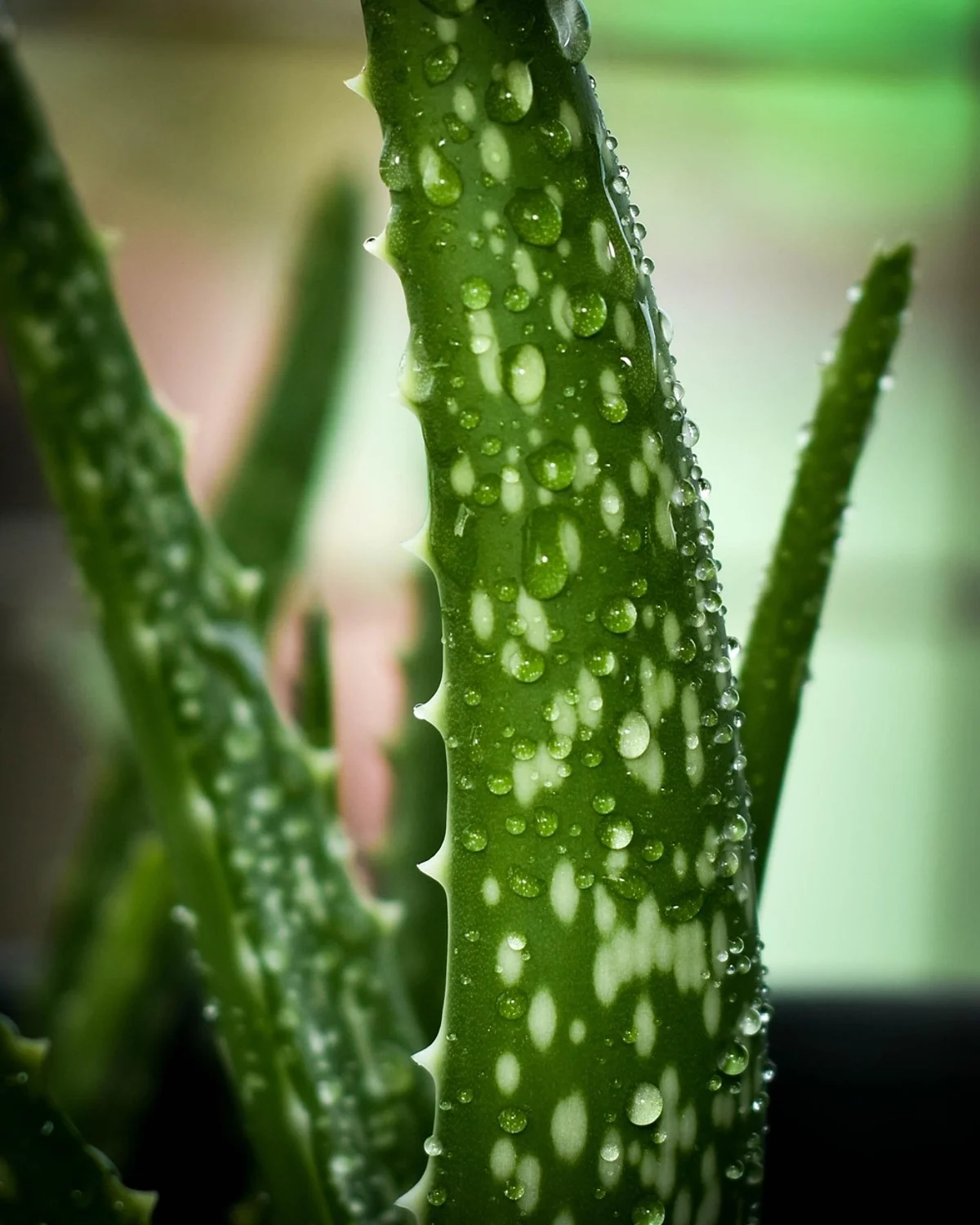
Aloe vera is a succulent with thick, fleshy, sword-shaped leaves growing in a rosette from the base. The leaves are gray-green with white flecks and small teeth along the edges. Cutting a leaf releases a clear, sticky gel. It grows 12–24 in (30–60 cm) tall.
Caution — latex in the leaf skin causes diarrhea
The clear inner gel is relatively safe, but the yellow latex (aloin) in the leaf's outer layer causes severe diarrhea. Eating a large amount carries a risk of dehydration.
If ingested
Contact your nearest vet immediately
- Action
- Offer plenty of water. See a vet if diarrhea lasts more than 24 hours.
- Symptoms
- Vomiting, diarrhea, lethargy, change in urine color
Guide for parents
Aloe is a succulent with thick, water-filled leaves, which makes it an easy target for a curious chewer.
The gel people use on burns has had the latex removed during processing, but the raw leaf still contains it. If you keep aloe, the safest spot is a separate room your cat can't access. If diarrhea lasts more than a day, see a vet — dehydration becomes a real risk.
Details
- Scientific name
- Aloe barbadensis
- Common name
- Aloe Vera
- Family
- Asphodelaceae
- Toxic parts
- Leaves (latex layer)
- Compounds
- Saponins, Anthraquinones
- Source
- ASPCA cats plant list
Related plants
Same plant family· Asphodelaceae
Other flowers to watch
Related guides
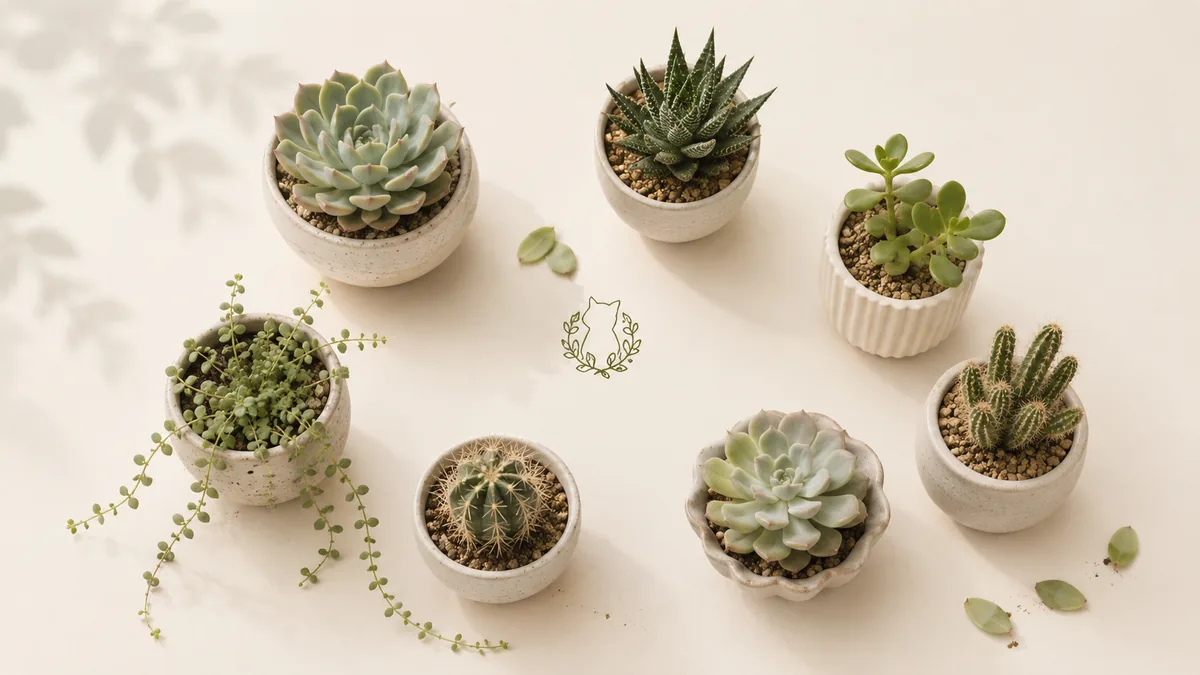
Succulents and Cactus Plants: Are They Safe for Cats?
Whether a succulent or cactus is safe for cats depends on the species — aloe and kalanchoe, for example, are toxic. Here is what to check for each type before you buy.
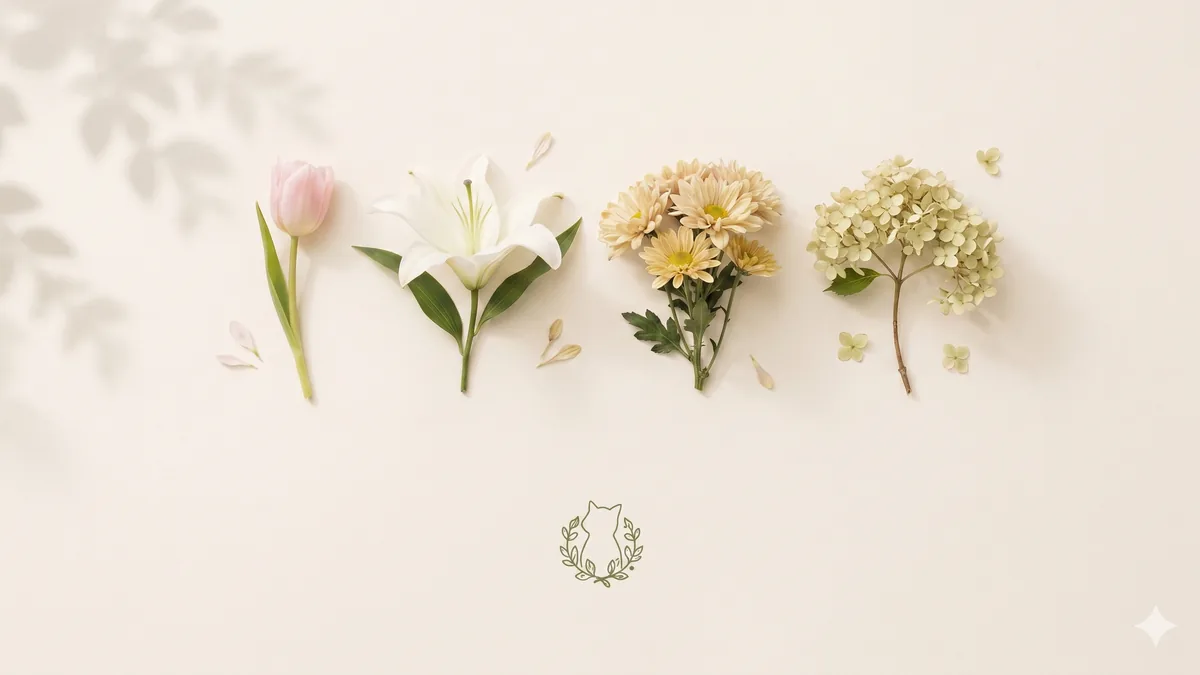
Top 10 Flowers Dangerous to Cats — The Ones You See at Florists
Ten flowers you'll commonly find at florists and grocery stores that are toxic to cats. Check before you receive them, and before you bring them home.
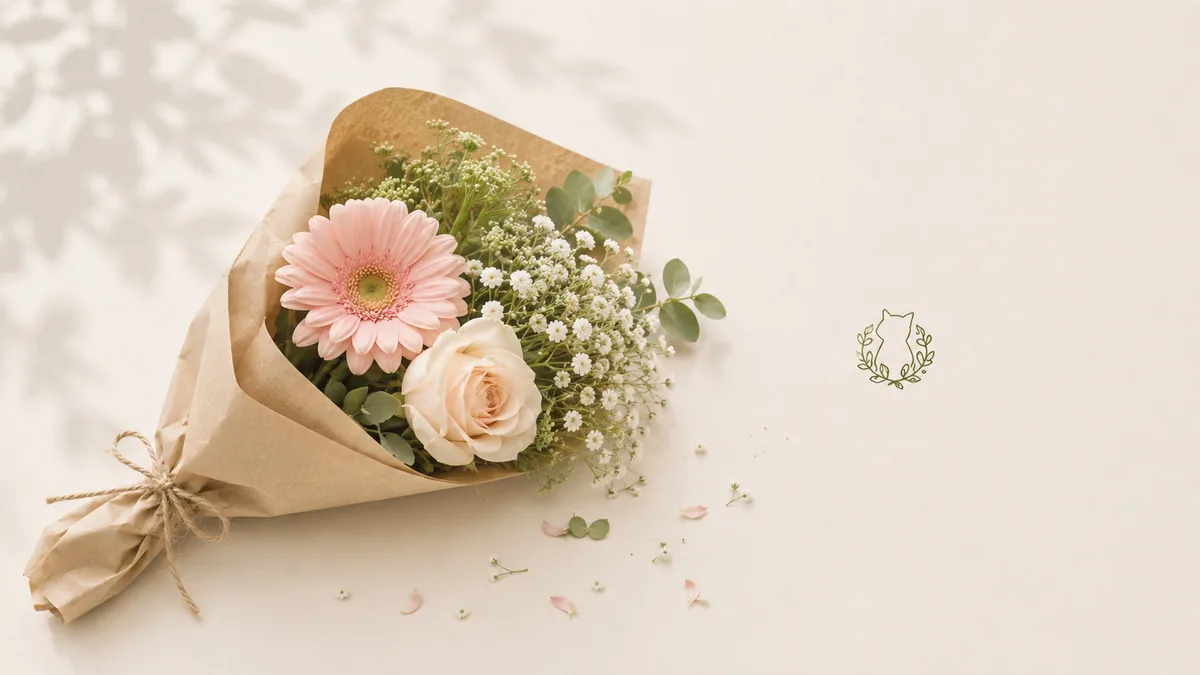
Got a Bouquet? What to Do If You Have a Cat
A bouquet is a lovely surprise — but if you live with a cat, there are a few things to take care of right away. From checking what's in the arrangement to choosing the right vase, here's what actually helps, in order.