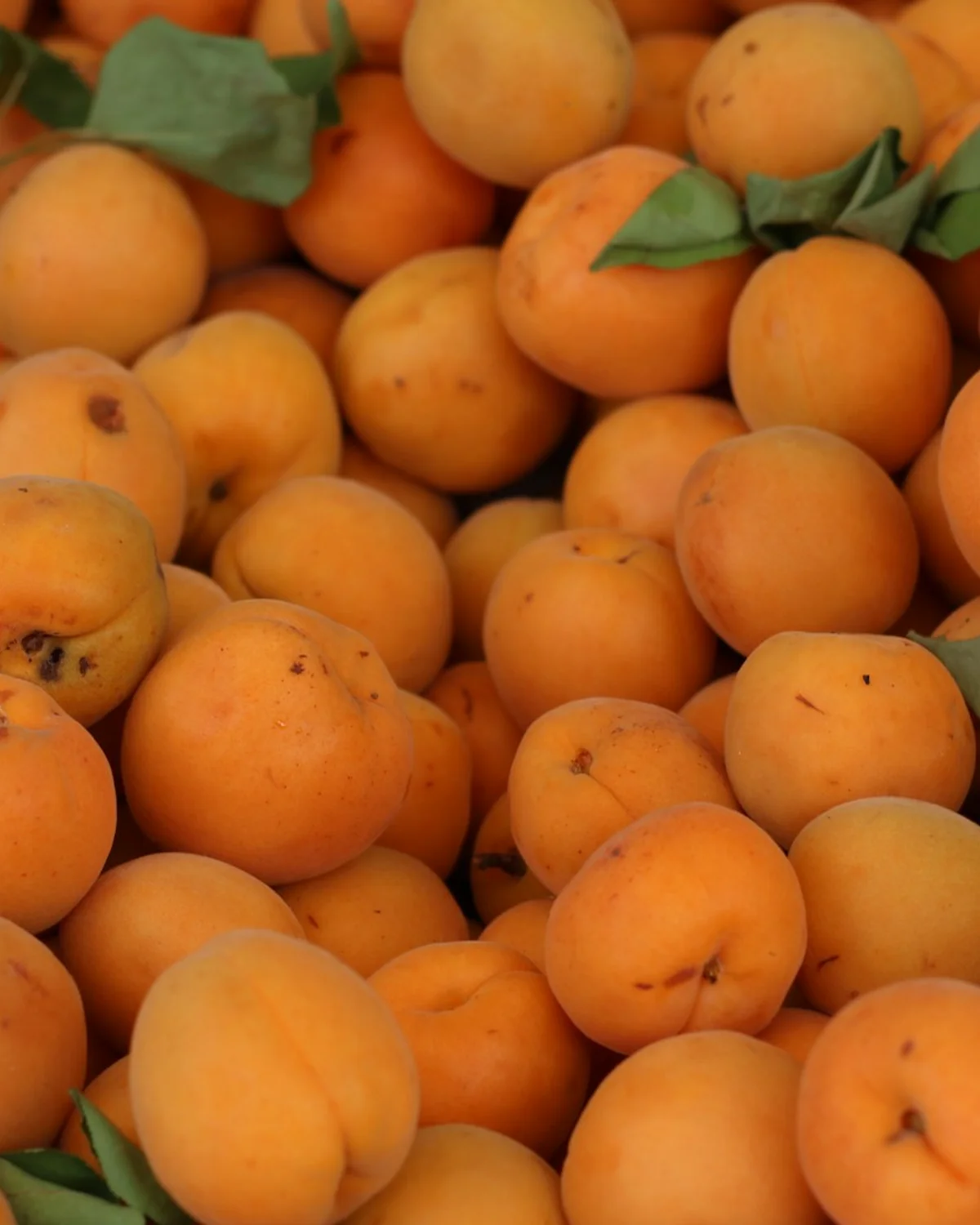
Apricot
Prunus armeniaca · Rosaceae
How it looks
The apricot is a deciduous tree with rounded, serrated leaves and pink-and-white blossoms that open early in spring. Round orange fruits appear in summer, each holding a large pit (the apricot stone) at the center. Height 10–26 ft (3–8 m).
Caution — seeds and leaves, more toxic as they wilt
The stems, leaves, and seeds of the apricot tree contain cyanide, and it is at its most toxic while the branches and leaves wilt. If swallowed it can turn the mucous membranes brick red, dilate the pupils, and bring on difficulty breathing or shock.
If ingested
Contact your nearest vet immediately
- Action
- Consult a vet and monitor. Go in immediately if symptoms worsen.
- Symptoms
- Brick red mucous membranes, Dilated pupils, Difficulty breathing, Shock
- Onset (typical course)
- 1–4 hours after ingestion
Guide for parents
The parts ASPCA names are the stems, leaves, and seeds of the apricot tree. The hard pit is just the size a cat likes to bat around and gnaw, so clear it away the moment you finish the fruit.
The tree grows more toxic as it wilts, so don't leave pruned twigs or drying leaves piled up on the balcony or in the yard.
If you suspect your cat has eaten some, look at the gums and the inside of the eyelids. Pink turning brick red, dilated pupils, or laboured breathing all mean a call to your vet straight away.
Details
- Scientific name
- Prunus armeniaca
- Common name
- Apricot
- Family
- Rosaceae
- Toxic parts
- Stems, Leaves, Seeds
- Compounds
- Cyanogenic glycosides
- Source
- ASPCA cats plant list
Related plants
Same plant family· Rosaceae
Related guides

Top 10 Flowers Dangerous to Cats — The Ones You See at Florists
Ten flowers you'll commonly find at florists and grocery stores that are toxic to cats. Check before you receive them, and before you bring them home.

Got a Bouquet? What to Do If You Have a Cat
A bouquet is a lovely surprise — but if you live with a cat, there are a few things to take care of right away. From checking what's in the arrangement to choosing the right vase, here's what actually helps, in order.
Why Cats Chew Plants, and How to Stop It
A cat chewing and tearing at plants isn't just mischief — there's an instinct behind it. Once you understand why, the ways to stop it follow naturally.