Great as a gift 🌸
Common Sunflower
Helianthus annuus · Asteraceae
How it looks
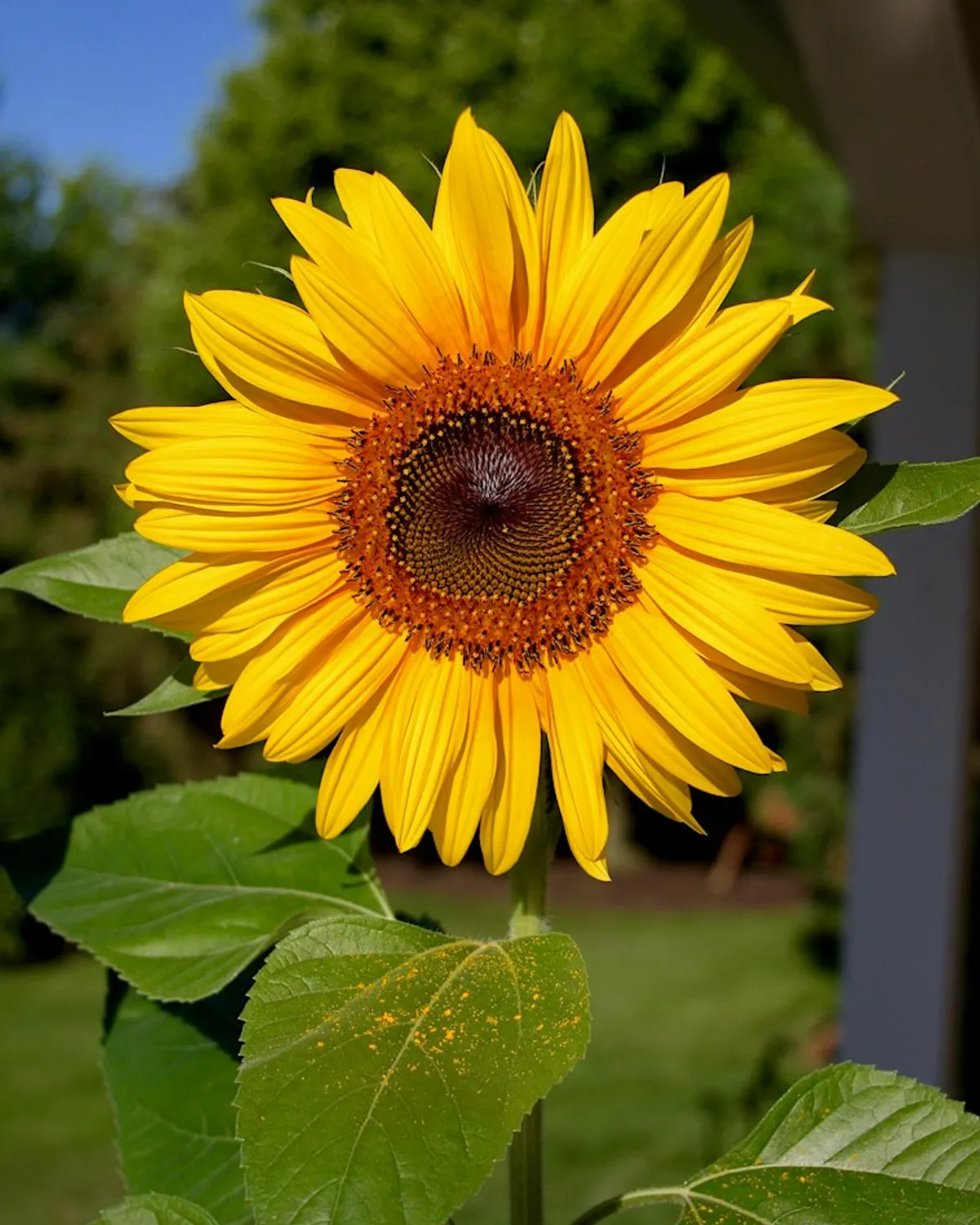
Common Sunflower is an annual defined by its very large flower head, 3-12 in (8-30 cm) across, with a brown-to-black center ringed by yellow petals spread in a star shape. The leaves are large, heart-shaped, and coarsely hairy, and the stem grows upright to 3-10 ft (1-3 m).
Sunflower (Helianthus annuus) is named — with its scientific name — on a list of plants "non-toxic to dogs and cats" published by ASPCA Poison Control. The basis is an ASPCA publication rather than an entry on the species-level toxic plant list, so it is one step weaker than a listed species.
Guide for parents
Sunflower appears on a list of plants "non-toxic to dogs and cats" published by ASPCA Poison Control. That list gives the scientific name (Helianthus annuus), so there is no doubt which species it means. Two ASPCA bouquet articles also place sunflower on the non-toxic side, and one adds that a large mouthful may cause no more than mild GI signs.
It helps to know the grain of that evidence. This verdict comes from an ASPCA publication, not from the organisation’s species-level toxic plant list, so it is one step weaker than a listed species. The entry titled "Sunflower" on that species list is in fact swamp sunflower (Helianthus angustifolius), which has its own page here. Both species are marked safe, so it is fine if you are unsure which you have.
At home, the vase is what matters. Florist stems are often treated with preservatives, so keep your cat from drinking the water; the thick stem stands securely, but the oversized flower head draws attention, so place it somewhere your cat does not jump. Sweep up fallen petals and pollen the same day.
Seeds deserve a separate look. Another publication from the same organisation flags two things about the seeds and grains used in autumn decorations: large ingestions can lodge in the intestinal tract and cause a blockage, and toxic molds can grow on damp seeds, where even small ingestions can significantly affect the nervous system. These are physical risks, separate from toxicity — sweep up fallen seeds.
Look at what else came in the bundle. If even one lily is mixed in, that is a far greater risk than the sunflower, so check the bouquet as soon as it arrives.
A large mouthful may bring mild vomiting or loose stool. If that repeats or your cat seems listless, contact your vet.
Details
- Scientific name
- Helianthus annuus
- Common name
- Common Sunflower
- Family
- Asteraceae
Also known as
Related plants
Same plant family· Asteraceae
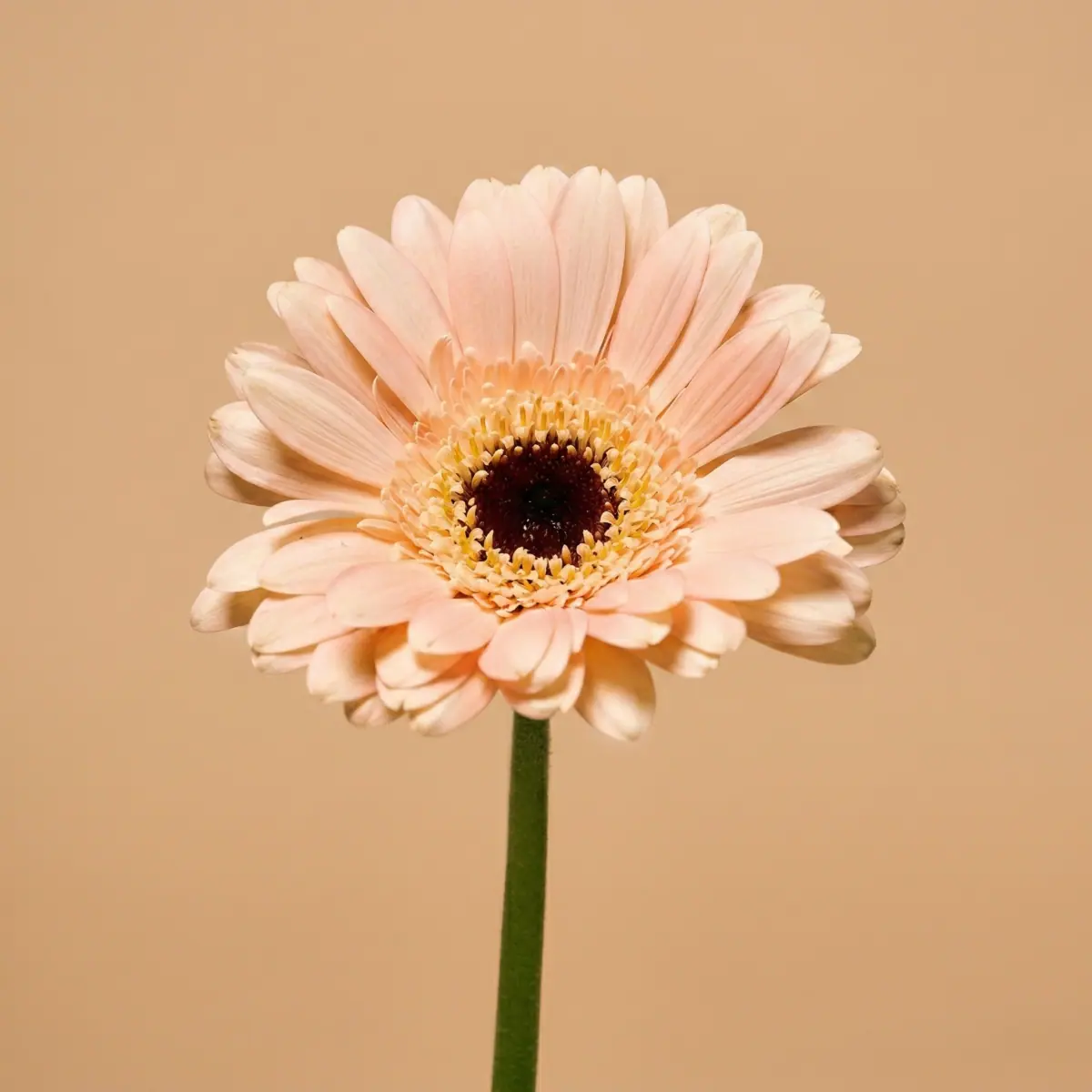
Other safe flowers
Related guides
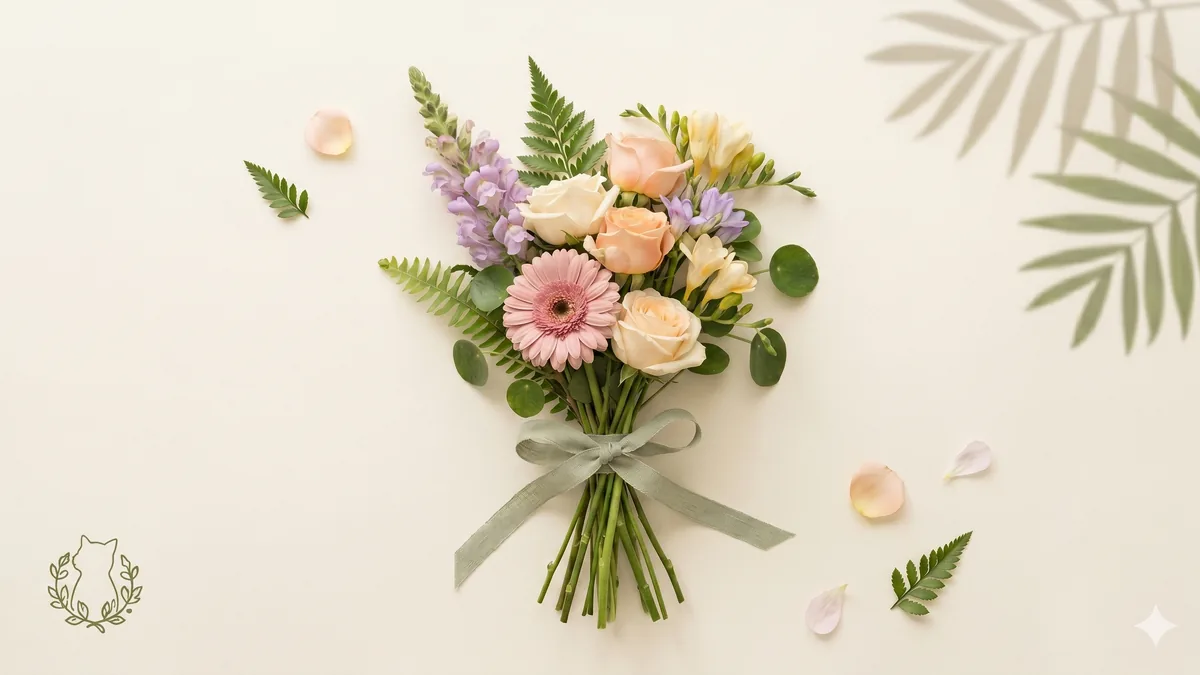
7 Cat-Safe Flowers to Give a Cat Owner
Want to give flowers to a friend or family member who has a cat? Here are 7 flowers that are both beautiful and safe for cats.
Why Cats Chew Plants, and How to Stop It
A cat chewing and tearing at plants isn't just mischief — there's an instinct behind it. Once you understand why, the ways to stop it follow naturally.