Great as a gift 🌸
Sand Lily
Leucocrinum montanum · Asparagaceae
How it looks
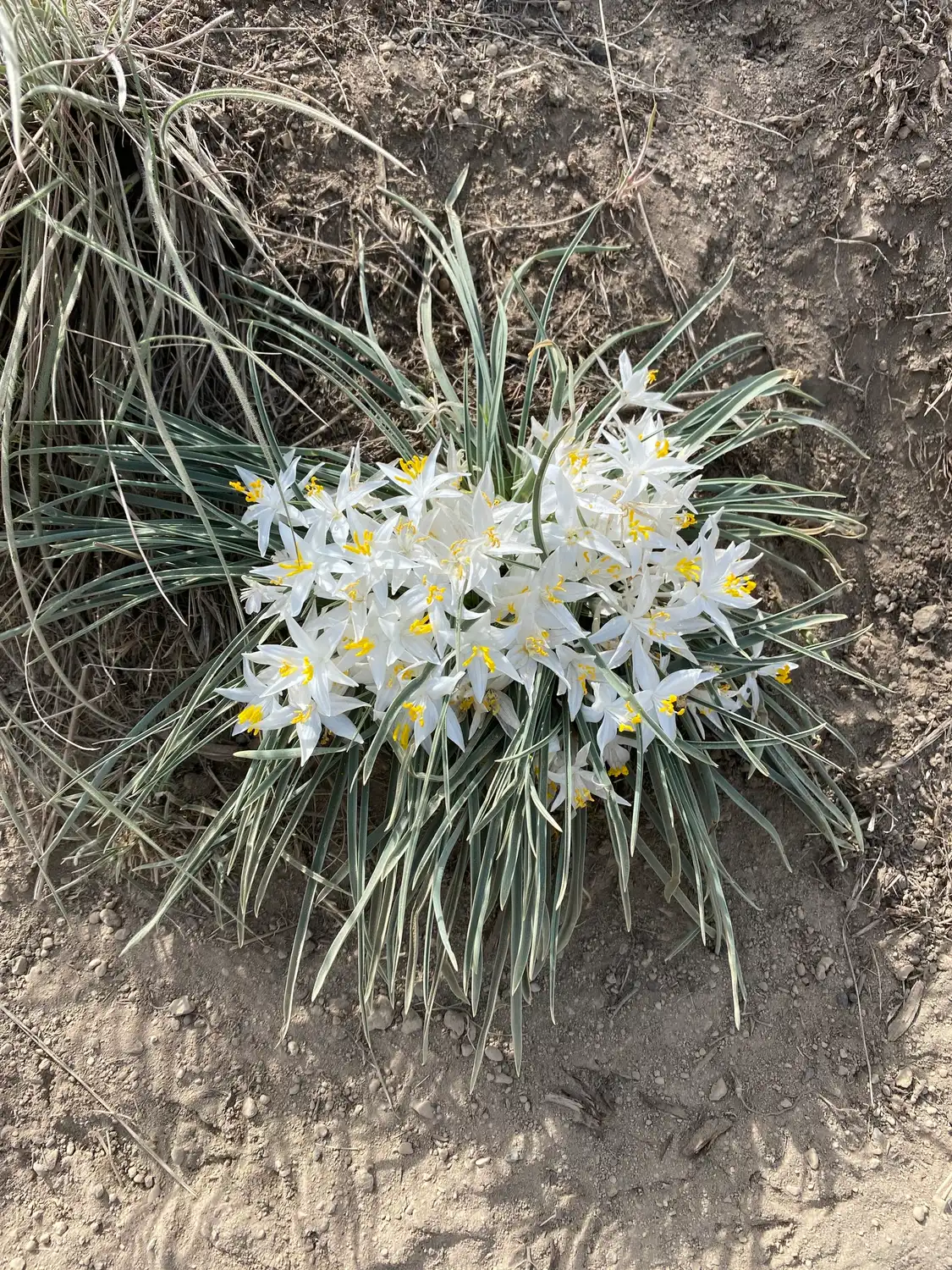
Sand Lily grows in tufts of narrow, long gray-green leaves, with white, six-petaled trumpet- or star-shaped flowers borne at the tips of slender stalks. It is strongly fragrant and very compact at 4–8 in (10–20 cm) tall, blooming in spring.
Sand Lily is listed as non-toxic to cats by the ASPCA. An occasional nibble is unlikely to cause any real trouble.
Guide for parents
If leaves or stems sit at a height your cat can reach, they may get chewed or snapped. If the same spot keeps turning up damaged, that may be a route your cat takes.
If the pot can be moved, shift it off that route; if the plant is in the ground, just pick up dropped or broken pieces whenever you notice them.
Details
- Scientific name
- Leucocrinum montanum
- Common name
- Sand Lily
- Family
- Asparagaceae
- Source
- ASPCA cats plant list
Related plants
Same plant family· Asparagaceae
Other safe flowers
Related guides
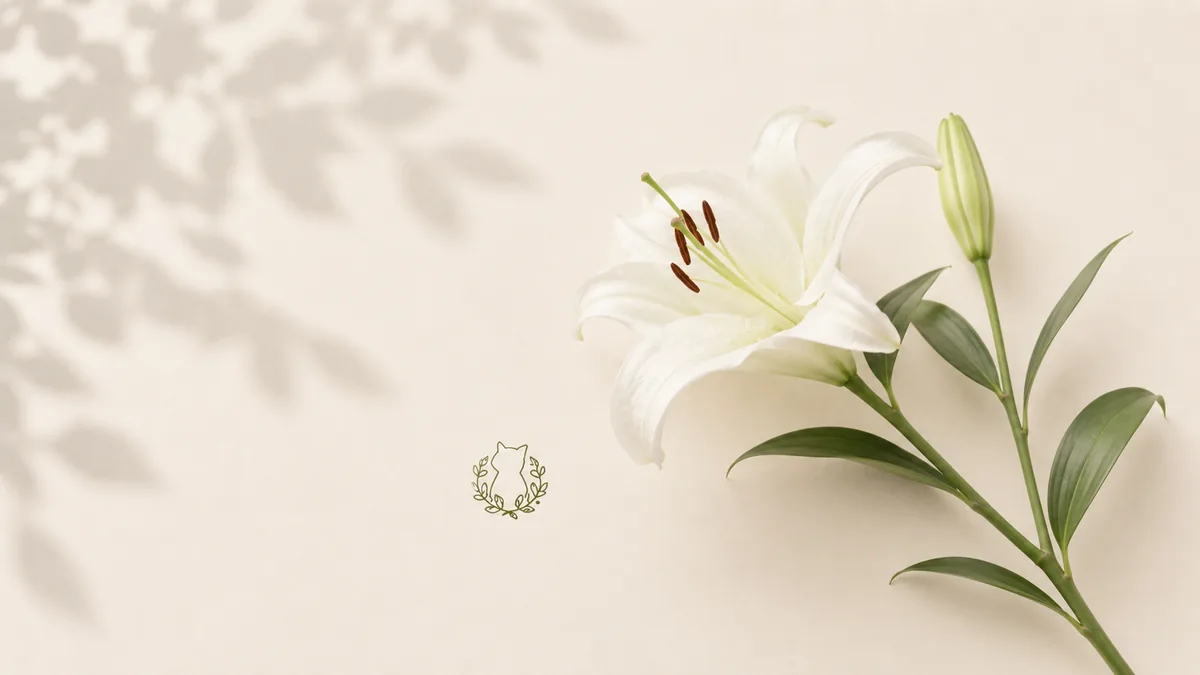
What to Do If Your Cat Ate a Lily
Lilies are deadly to cats. Eating a single leaf can lead to kidney failure. If you suspect your cat has ingested any part of a lily, here's what to do right now.
7 Cat-Safe Flowers to Give a Cat Owner
Want to give flowers to a friend or family member who has a cat? Here are 7 flowers that are both beautiful and safe for cats.
Why Cats Chew Plants, and How to Stop It
A cat chewing and tearing at plants isn't just mischief — there's an instinct behind it. Once you understand why, the ways to stop it follow naturally.