Great as a gift 🌸
Wheat
Triticum aestivum · Poaceae
How it looks
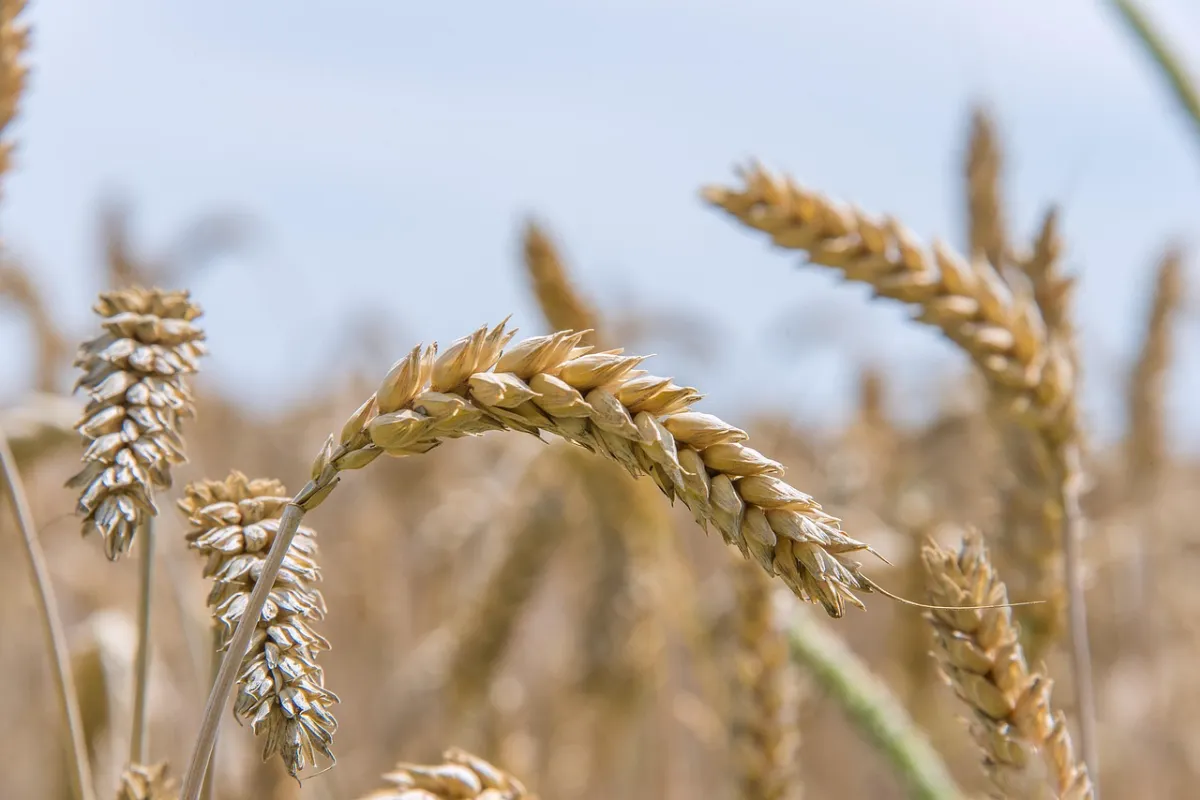
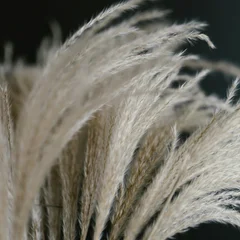
An upright annual grass growing to 60–120 cm, distinguished by the long awns on its seed heads. The leaves are narrow, linear, and hairless. Native to a range from western Asia to India; grown as young shoots for pets.
Wheat is classified as non-toxic to dogs and cats by the ASPCA Animal Poison Control Center (APCC). The basis is a common-name mention in an article about fall decorations rather than a species entry on the cat plant list, so it is one step weaker — and the same article also warns about mold and intestinal blockage.
Guide for parents
Wheat is classified as non-toxic to dogs and cats by the ASPCA Animal Poison Control Center (APCC). That mention appears in an article about fall decorations (alongside pumpkins, hay and corn) and uses the common name "wheat" — it is not a species entry on the plant list. Note also that the article is about dried decorative wheat, while this page is about fresh wheatgrass: the same species, but a different form.
Wheat shoots are sold as "cat grass" alongside oat and barley shoots. The three are different species, and unlike wheat, oat and barley still have no confirmed cat-specific verdict.
Separately from toxicity, the same article flags two things: mold on grains can cause significant effects on the nervous system even in small amounts, and large ingestions of leaves or seeds can lodge in the intestinal tract and cause a blockage. It also notes that grains can trigger allergies in pets with a sensitivity to them.
So replace the whole tray if water pools in it or the shoots turn soggy, and offer small amounts at about 10–15 cm, before the blades toughen. Contact your vet if anything seems off.
Details
- Scientific name
- Triticum aestivum
- Common name
- Wheat
- Family
- Poaceae
- Source
- ASPCA Animal Poison Control Center (APCC) article — not on the plant list
Also known as
Related plants
Same plant family· Poaceae
Other safe flowers
Related guides

7 Cat-Safe Flowers to Give a Cat Owner
Want to give flowers to a friend or family member who has a cat? Here are 7 flowers that are both beautiful and safe for cats.
Why Cats Chew Plants, and How to Stop It
A cat chewing and tearing at plants isn't just mischief — there's an instinct behind it. Once you understand why, the ways to stop it follow naturally.