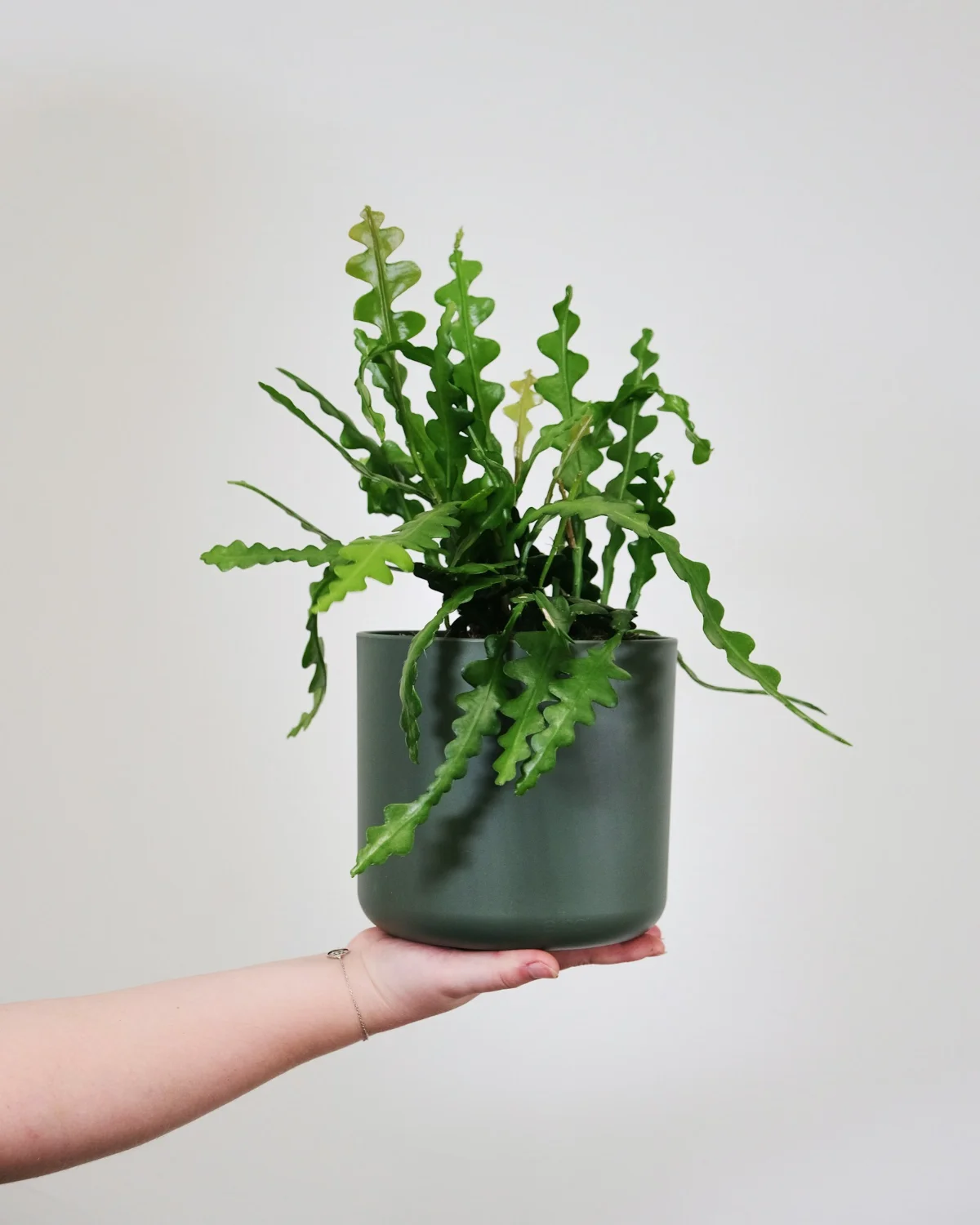
Fishbone Cactus
Epiphyllum anguliger · Cactaceae
How it looks
The Fishbone Cactus is a highly distinctive cactus whose flat stems are deeply lobed from side to side like fish ribs. It has almost no spines, and the stems trail. White flowers bloom at night. It is grown as a hanging plant and reaches 12 in to 3 ft (30 cm-1 m) in length.
No toxicity data available
Fishbone Cactus is not listed in the ASPCA's toxic plants list for cats, and NC State Extension has no toxicity data for it either. With no confirmed evidence either way, we cannot call it safe — exercise caution if your cat has access to it. Its spines can also cause physical injury, so choose its spot with care.
Guide for parents
Fishbone Cactus has no official toxicity data, so it is hard to say for certain whether it is safe.
Its spines can lodge in a mouth or paw, so placement matters. Curious young cats may pat at the spines and end up with a hurt nose or paw pad — keep it on a shelf that is hard to reach. If a spine gets stuck, pull it straight out with tweezers, and if it will not come out easily, have a vet remove it.
Details
- Scientific name
- Epiphyllum anguliger
- Common name
- Fishbone Cactus
- Family
- Cactaceae
- Source
- No confirmed source for cats — not listed by ASPCA
Related plants
Same plant family· Cactaceae

Related guides
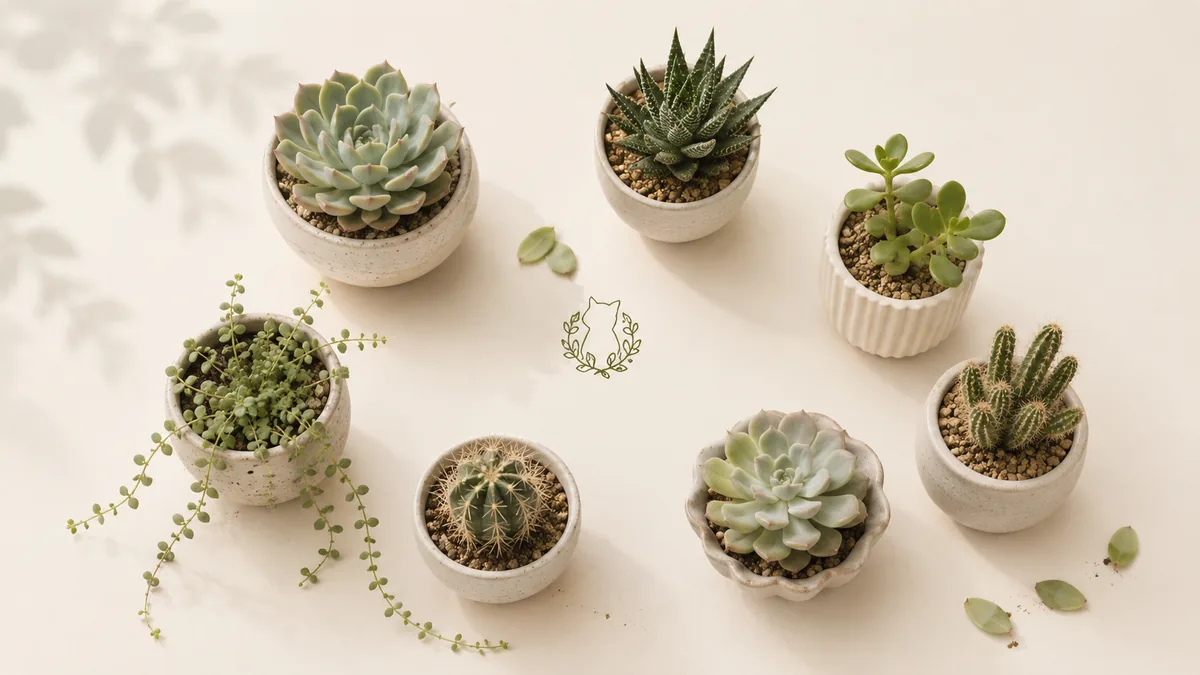
Succulents and Cactus Plants: Are They Safe for Cats?
Whether a succulent or cactus is safe for cats depends on the species — aloe and kalanchoe, for example, are toxic. Here is what to check for each type before you buy.

Top 10 Flowers Dangerous to Cats — The Ones You See at Florists
Ten flowers you'll commonly find at florists and grocery stores that are toxic to cats. Check before you receive them, and before you bring them home.

Got a Bouquet? What to Do If You Have a Cat
A bouquet is a lovely surprise — but if you live with a cat, there are a few things to take care of right away. From checking what's in the arrangement to choosing the right vase, here's what actually helps, in order.