Lance Pleomele
Dracaena thalioides · Asparagaceae
How it looks
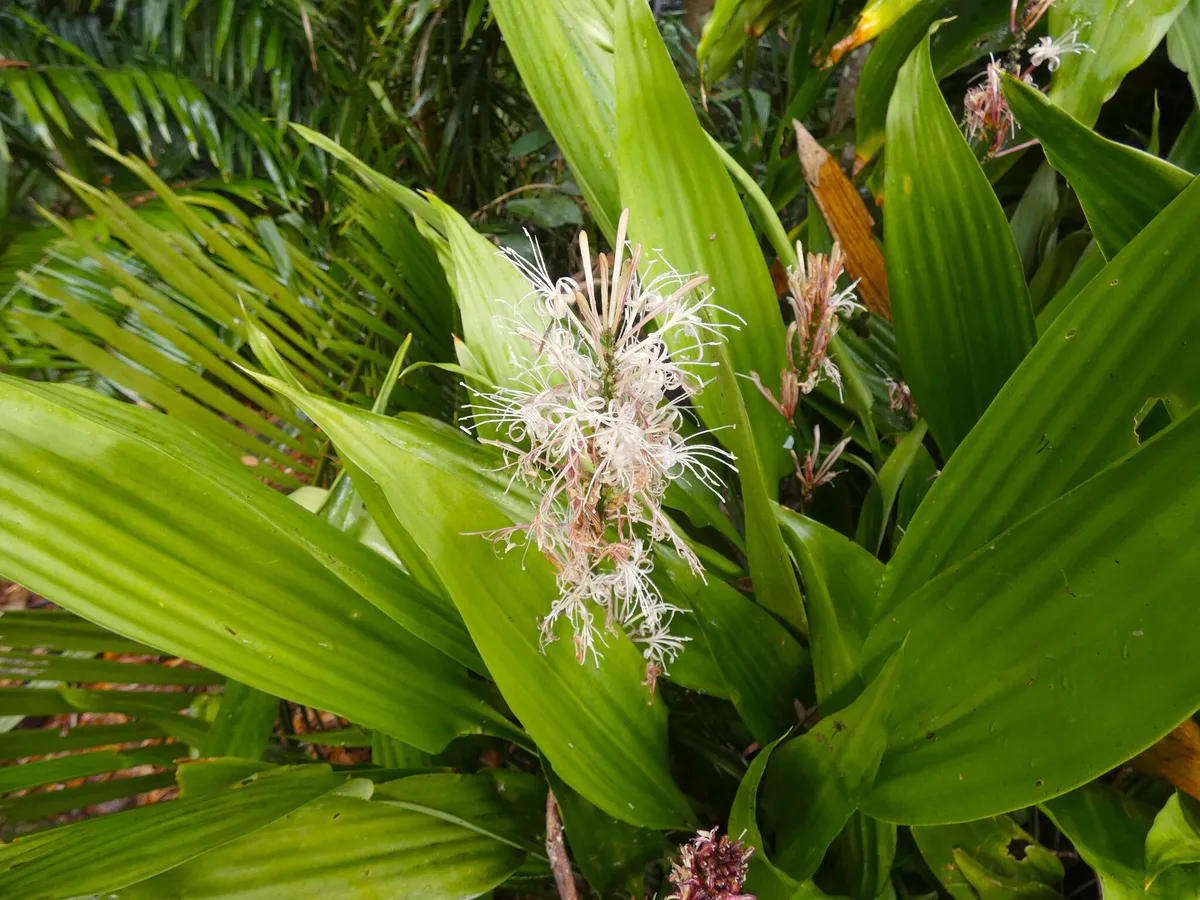
Lance Pleomele (Dracaena thalioides) is a foliage plant with narrow, long, glossy, deep-green leaves set densely and alternately along the stem. The leaf tips are pointed and arching, and it reaches about 20 in to 5 ft (50 cm-1.5 m) tall, grown as an indoor foliage plant.
Mild caution — stomach irritation
Lance pleomele is a Dracaena, and the saponins in the genus can irritate the stomach and cause vomiting, lethargy, and loss of appetite. The ASPCA does not flag this common name, but its entry is not a species-level one, so we follow the genus-level toxic listing and keep it at caution.
If ingested
Contact your nearest vet immediately
- Symptoms
- Vomiting, depression, anorexia, dilated pupils
Guide for parents
An occasional nibble of lance pleomele is not an emergency, but the saponins typical of the Dracaena genus can irritate the stomach and mucous membranes, leading to vomiting, lethargy, and loss of appetite.
The ASPCA list does include the name "Lance Pleomele" among non-toxic plants. That entry, however, is filed under the genus (Dracaena) rather than the species, and the same list classifies the genus — along with individual species such as corn plant and Madagascar dragon tree — as toxic to cats. This page follows the more cautious reading.
Clear away fallen leaves and broken stems the same day, and keep the pot off your cat's usual routes. Contact your vet if symptoms last more than 12 hours or your cat's appetite clearly drops.
Details
- Scientific name
- Dracaena thalioides
- Common name
- Lance Pleomele
- Family
- Asparagaceae
- Toxic parts
- All parts
- Compounds
- Saponins
- Source
- ASPCA cats plant list
Related plants
Same plant family· Asparagaceae
Related guides

Top 10 Flowers Dangerous to Cats — The Ones You See at Florists
Ten flowers you'll commonly find at florists and grocery stores that are toxic to cats. Check before you receive them, and before you bring them home.

Got a Bouquet? What to Do If You Have a Cat
A bouquet is a lovely surprise — but if you live with a cat, there are a few things to take care of right away. From checking what's in the arrangement to choosing the right vase, here's what actually helps, in order.
Why Cats Chew Plants, and How to Stop It
A cat chewing and tearing at plants isn't just mischief — there's an instinct behind it. Once you understand why, the ways to stop it follow naturally.