Cardboard Palm
Zamia spp. · Zamiaceae
How it looks
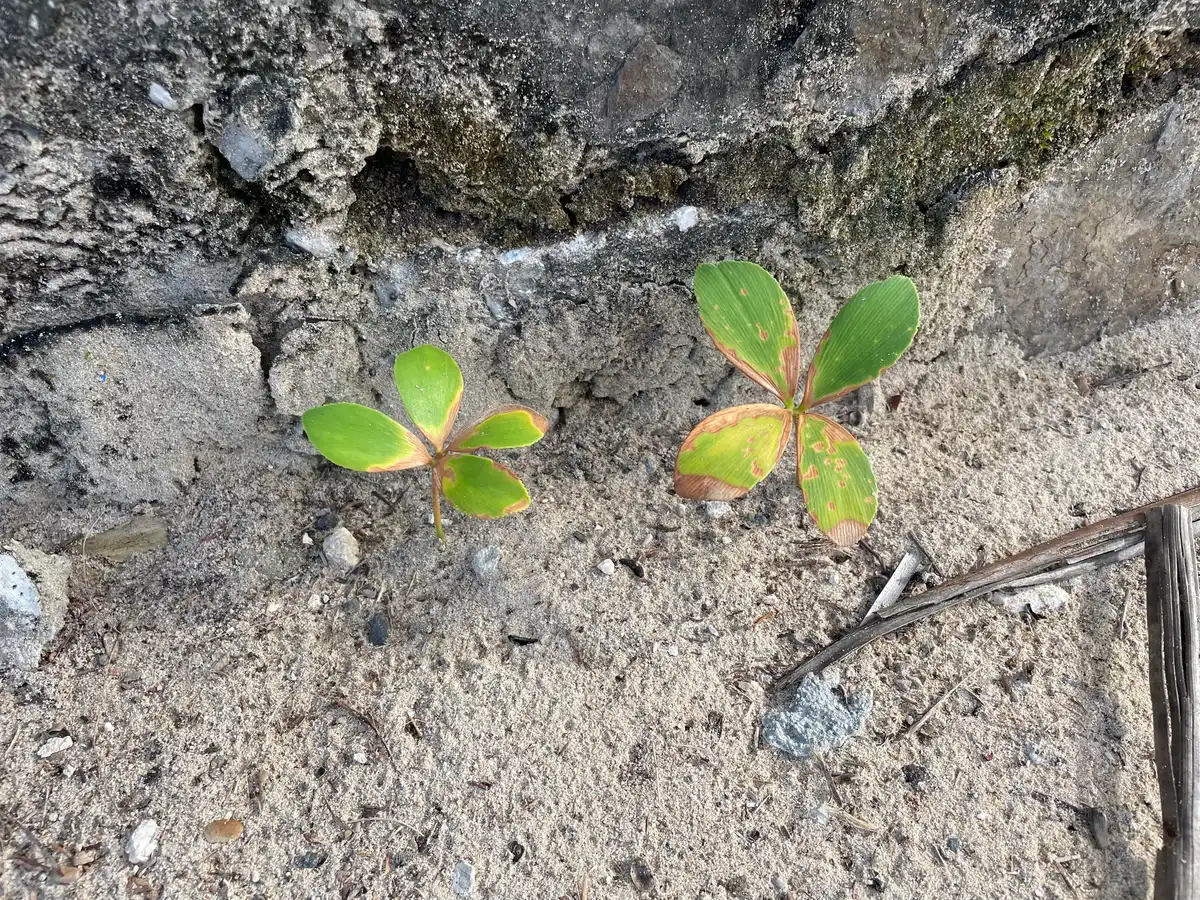
Cardboard Palm (Zamia spp.) is a cycad whose thick, stiff leaves spread in a feather shape. The leaf texture is rough and hard like paper card stock. The leaves grow radially atop a short stem, and it is not a true palm.
Deadly — liver failure
Cardboard Palm (Cardboard Palm) is a cycad; all parts (especially the seeds) contain cycasin, and ingestion can lead to liver failure and death.
If ingested
Contact your nearest vet immediately
- Action
- Go to a 24-hour animal hospital immediately. Don't wait, even if there are no symptoms.
- Symptoms
- Vomiting, liver failure, death
- Onset (typical course)
- 6–24 hours after ingestion (symptoms may be delayed)
Guide for parents
The cardboard palm has "palm" in its name, but it is not a true palm — it is a cycad, and a popular houseplant. The cycasin in the whole plant, especially the seeds, destroys the liver, making it one of the most dangerous indoor plants for cats. Do not bring it into your home.
Telling it apart
The cardboard palm is a cycad that shares the liver toxin cycasin with the sago palm, cardboard cycad, and coontie palm. The word "palm" invites confusion with true palms like areca and parlor palm, which are non-toxic. Thick, stiff, feather-like fronds and cone-like structures point to a cycad.
How cats get exposed
Chewing the leaves is enough to start liver damage, and the seeds — where cycasin is most concentrated — can be fatal in just one or two. Dropped leaf fragments and the roots and stem exposed during repotting are not safe either.
How symptoms progress
Signs usually begin within a few hours with vomiting and diarrhea, but the core danger is liver toxicity. Liver damage becomes clear over 24–48 hours, leading to jaundice, bleeding, and weakness, and can end in fatal liver failure. Do not mistake a lull in the early stomach signs for recovery.
What to do right now
If there is any chance your cat chewed or swallowed it, get to a 24-hour emergency vet immediately, even with no symptoms. With cycasin poisoning, the earlier treatment starts, the better the outlook. Do not induce vomiting at home — follow the clinic's instructions.
Details
- Scientific name
- Zamia spp.
- Common name
- Cardboard Palm
- Family
- Zamiaceae
- Toxic parts
- All parts (especially the seeds)
- Compounds
- Cycasin
- Source
- ASPCA cats plant list
Related plants
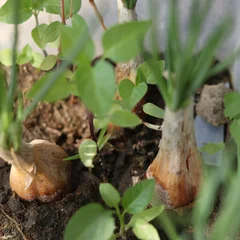
Same plant family· Zamiaceae
Related guides
Top 10 Flowers Dangerous to Cats — The Ones You See at Florists
Ten flowers you'll commonly find at florists and grocery stores that are toxic to cats. Check before you receive them, and before you bring them home.
Got a Bouquet? What to Do If You Have a Cat
A bouquet is a lovely surprise — but if you live with a cat, there are a few things to take care of right away. From checking what's in the arrangement to choosing the right vase, here's what actually helps, in order.
Why Cats Chew Plants, and How to Stop It
A cat chewing and tearing at plants isn't just mischief — there's an instinct behind it. Once you understand why, the ways to stop it follow naturally.