
Desert Rose
Adenium obesum · Apocynaceae
How it looks
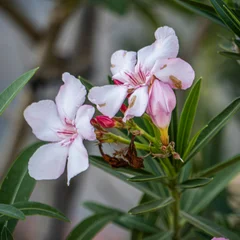
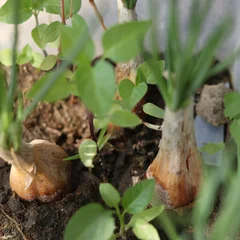
Desert Rose is a succulent shrub with slender branches emerging from a thick, swollen grey to brown stem base (caudex). The leaves are glossy and oval, gathered at the branch tips, and the funnel-shaped flowers in pink to deep red bloom at the branch tips. It is commonly sold in bonsai form.
Deadly — cardiac arrest
All parts of Desert Rose (Desert Rose) contain cardiac glycosides; even a small amount can cause arrhythmias, vomiting, and depression, and in serious cases this can progress to cardiac arrest.
If ingested
Contact your nearest vet immediately
- Action
- Go to a 24-hour animal hospital immediately. Don't wait, even if there are no symptoms.
- Symptoms
- Vomiting, Diarrhea, Loss of appetite, Depression, Cardiac arrhythmia, Death
- Onset (typical course)
- 6–24 hours after ingestion (symptoms may be delayed)
Guide for parents
The desert rose is often sold as a bonsai for its swollen trunk and showy flowers, but never bring it into a home with a cat. Despite its name it is not a rose at all — it belongs to the dogbane family (Apocynaceae), the same group as oleander, and the entire plant contains cardiac glycosides that attack the heart directly. Even a small amount can trigger an irregular heartbeat and, as it progresses, cardiac arrest.
How it differs from similar plants
The desert rose has "rose" in its name but has nothing to do with the safe rose. It actually sits alongside oleander and yellow oleander in the dogbane family, and all of them share oleandrin-type cardiac glycosides. The nature of the risk is the same, so keep every plant in this group out of your cat's space regardless of the variety.
How cats get exposed
The leaves, flowers, stems, and roots are all toxic, and so are the white sap from a cut stem and any water it has stood in. Because it is usually kept as a bonsai and pruned often, don't leave trimmed pieces lying around — a cat may chew them. Bag and discard clippings right away and wipe down the work surface.
How symptoms progress
Cardiac glycosides disrupt the heart's electrical signals, making the pulse slow or irregular. Signs usually begin 6–24 hours after ingestion with vomiting, diarrhea, and lethargy, but the effect on the heart can surface late. A cat that looked fine can collapse suddenly, so the absence of symptoms is not reassurance.
What to do right now
If there is any chance your cat touched or ate it, go to a 24-hour emergency vet immediately even without symptoms. Do not try to make it vomit at home, and tell the vet what and how much was eaten to guide treatment. Once cardiac toxicity sets in it moves fast, so this is a race against time.
Details
- Scientific name
- Adenium obesum
- Common name
- Desert Rose
- Family
- Apocynaceae
- Toxic parts
- All parts
- Compounds
- Cardiac glycosides (adenin, oleandrin family)
- Source
- ASPCA cats plant list
Related plants
Same plant family· Apocynaceae





Related guides

What to Do If Your Cat Ate a Lily
Lilies are deadly to cats. Eating a single leaf can lead to kidney failure. If you suspect your cat has ingested any part of a lily, here's what to do right now.

Top 10 Flowers Dangerous to Cats — The Ones You See at Florists
Ten flowers you'll commonly find at florists and grocery stores that are toxic to cats. Check before you receive them, and before you bring them home.

Got a Bouquet? What to Do If You Have a Cat
A bouquet is a lovely surprise — but if you live with a cat, there are a few things to take care of right away. From checking what's in the arrangement to choosing the right vase, here's what actually helps, in order.