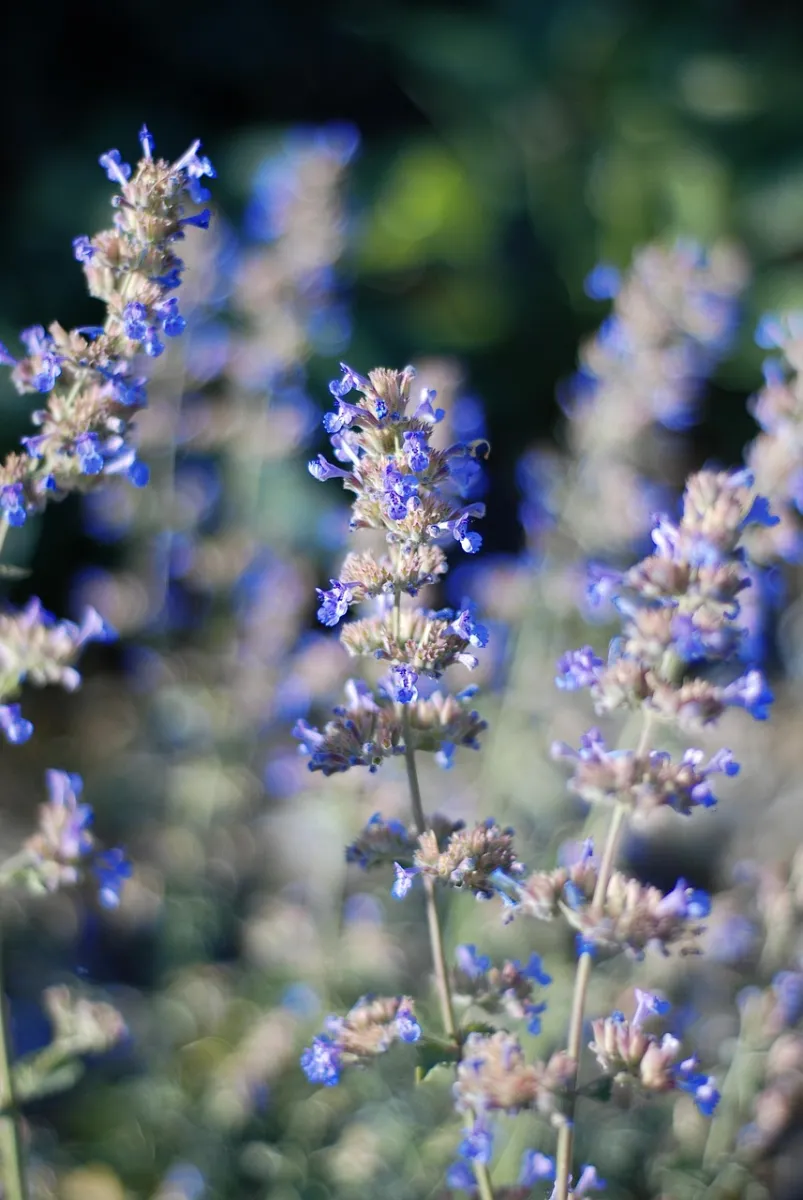
It isn't on the ASPCA list, so we can't call it safe. What is known so far is explained below.
Faassen's Catmint
Nepeta x faassenii · Lamiaceae
How it looks
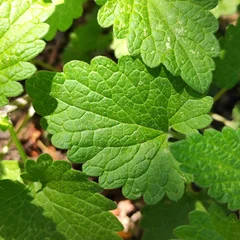
A herbaceous perennial ground cover with small, opposite gray-green leaves, forming clumps 45–60 cm tall. Spikes of small lavender to blue-violet lipped flowers bloom from spring into summer, and the foliage is aromatic when crushed. Being a sterile hybrid, it does not self-seed.
No toxicity data available
Catmint is not listed in the ASPCA's toxic plants list for cats, and NC State Extension has no toxicity data for it either. With no confirmed evidence either way, we cannot call it safe — exercise caution if your cat has access to it.
Guide for parents
Catmint has no official toxicity data, so it is hard to say for certain whether it is safe.
It is easily confused with catnip. Catmint is a garden hybrid (Nepeta x faassenii); catnip is Nepeta cataria (PLANT 189) — a different species. Korean nurseries commonly print all three names on one product label, so the botanical name is the reliable way to tell what you bought.
Catnip, in the same genus, is listed by the ASPCA as toxic to cats (it can cause vomiting and diarrhea). Catmint itself has never been assessed by any approved source, but we keep it at caution given that finding in the same genus.
Planted in a garden, cats often roll on the clump and snap the stems. If chewing is followed by repeated vomiting or loose stools, limit access and contact your vet.
Details
- Scientific name
- Nepeta x faassenii
- Common name
- Faassen's Catmint
- Family
- Lamiaceae
- Source
- No confirmed source for cats — not listed by ASPCA
Also known as
Related plants
Same plant family· Lamiaceae
Other plants with no confirmed rating
Related guides
Top 10 Flowers Dangerous to Cats — The Ones You See at Florists
Ten flowers you'll commonly find at florists and grocery stores that are toxic to cats. Check before you receive them, and before you bring them home.
Got a Bouquet? What to Do If You Have a Cat
A bouquet is a lovely surprise — but if you live with a cat, there are a few things to take care of right away. From checking what's in the arrangement to choosing the right vase, here's what actually helps, in order.
Why Cats Chew Plants, and How to Stop It
A cat chewing and tearing at plants isn't just mischief — there's an instinct behind it. Once you understand why, the ways to stop it follow naturally.