Mother of Millions
Kalanchoe tubiflora · Crassulaceae
How it looks
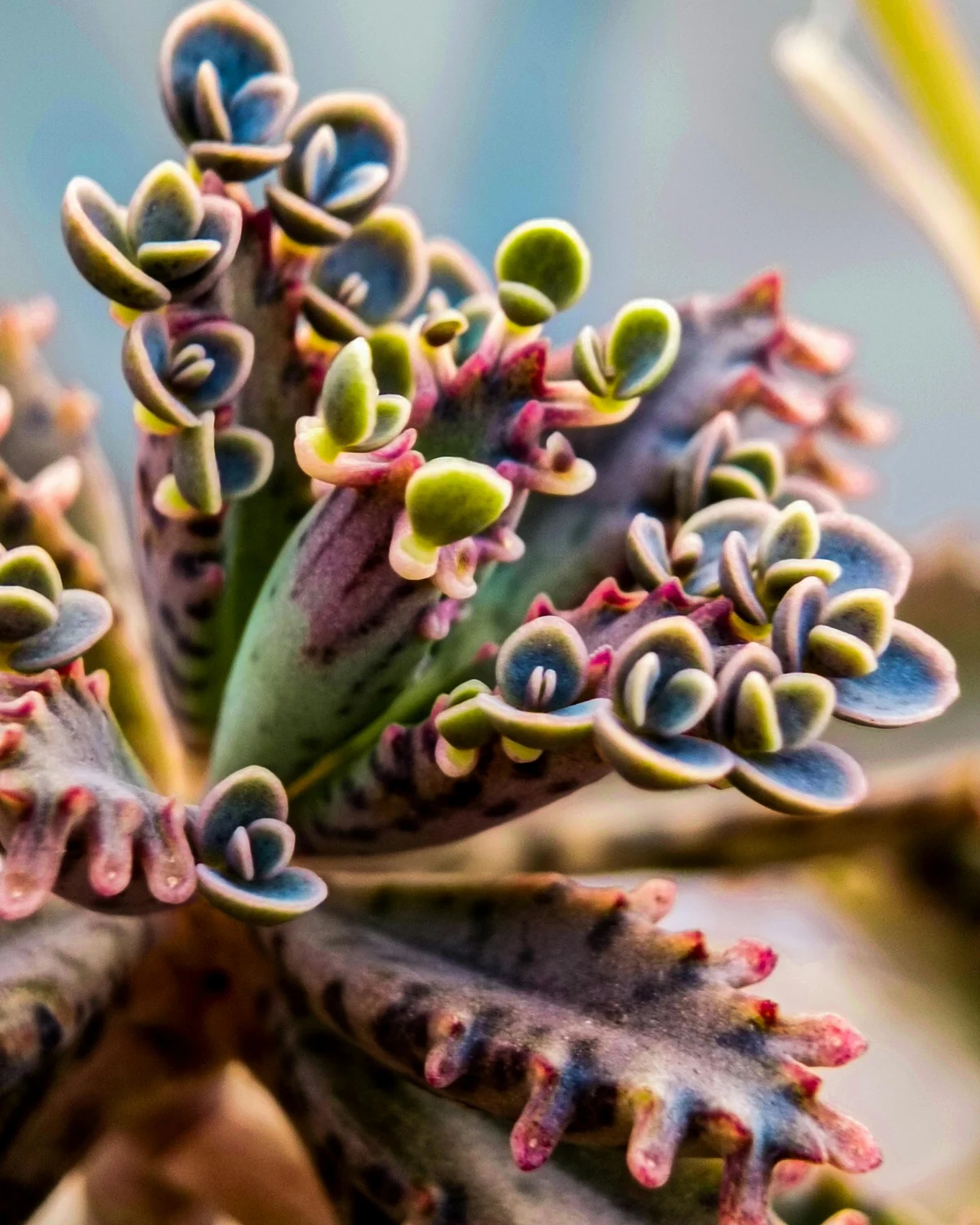
Mother of Millions is a succulent whose narrow, long fleshy leaves bear rows of tiny plantlets (offsets) along their edges. The leaves are dark green with purple spots, and it grows 1–3 ft (30 cm–1 m) tall. The plantlets drop off and propagate very rapidly, earning the name "mother of millions."
Dangerous — heart toxicity
All parts of Mother of Millions contain bufadienolides (cardiac toxins); ingestion can cause vomiting and diarrhea along with cardiac effects such as arrhythmias. Recovery without treatment is unlikely, so an immediate vet visit is needed.
If ingested
Contact your nearest vet immediately
- Action
- Consult a vet and monitor. Go in immediately if symptoms worsen.
- Symptoms
- Vomiting, diarrhea, cardiac arrhythmias
- Onset (typical course)
- 1–4 hours after ingestion
Guide for parents
Mother of Millions is a succulent with rows of tiny plantlets along its leaf edges, and its vigorous spread makes it a common houseplant. But the whole plant contains bufadienolides — cardiac glycosides — so it isn't something to wave off as "one nibble is fine." Most cases start with stomach signs like vomiting and diarrhea, but a larger amount can affect the heartbeat.
How cats get exposed
Because it spreads so aggressively, the plantlets along the leaf edges drop off and scatter everywhere. Even a small piece on the floor is easy for a cat to bat at and swallow, so clear away fallen leaves and plantlets the same day and keep the pot somewhere your cat can't reach.
How symptoms progress
Signs usually appear fairly quickly, within 1–4 hours, as vomiting, diarrhea, and lethargy. Bufadienolides are cardiac glycosides in the same family as digitalis, so a large ingestion can lead to a slow or irregular heartbeat. Rather than waiting for it to pass on its own, watch the cat closely and keep an eye out for heart-related signs.
What to do right now
If ingestion is confirmed or suspected, call your vet for advice. If vomiting repeats, energy drops sharply, or breathing or pulse looks abnormal, go in immediately. Having a sense of how much was eaten helps with the assessment.
Details
- Scientific name
- Kalanchoe tubiflora
- Common name
- Mother of Millions
- Family
- Crassulaceae
- Toxic parts
- All parts
- Compounds
- Bufadienolides (cardiac glycosides)
- Source
- ASPCA cats plant list
Also known as
Related plants
Same plant family· Crassulaceae
Related guides
Top 10 Flowers Dangerous to Cats — The Ones You See at Florists
Ten flowers you'll commonly find at florists and grocery stores that are toxic to cats. Check before you receive them, and before you bring them home.
Got a Bouquet? What to Do If You Have a Cat
A bouquet is a lovely surprise — but if you live with a cat, there are a few things to take care of right away. From checking what's in the arrangement to choosing the right vase, here's what actually helps, in order.
Why Cats Chew Plants, and How to Stop It
A cat chewing and tearing at plants isn't just mischief — there's an instinct behind it. Once you understand why, the ways to stop it follow naturally.