Golden Ragwort
Senecio species · Asteraceae
How it looks
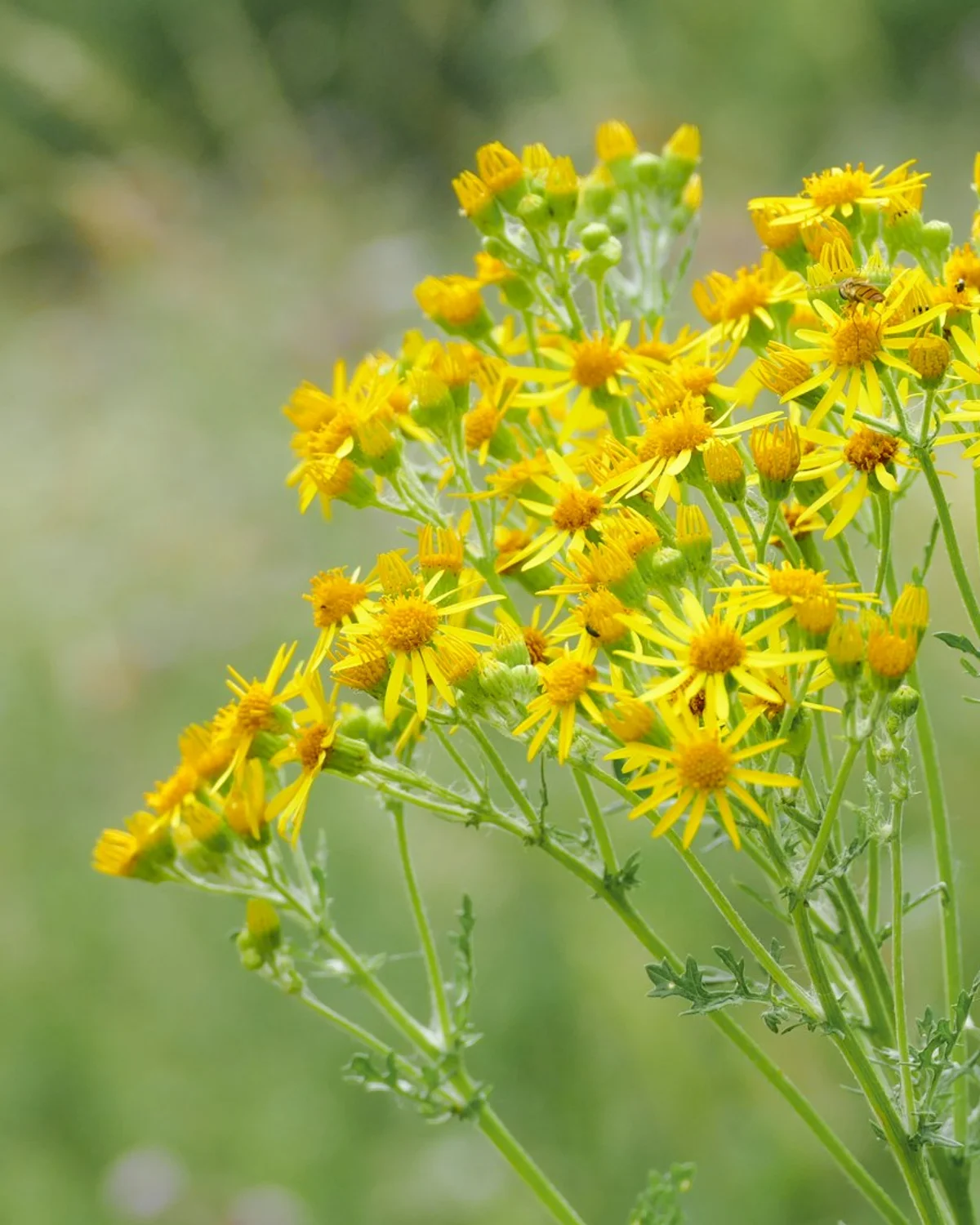
Golden Ragwort (Cineraria) is a plant with toothed, rounded leaves and small yellow daisy-like flowers that gather at the branch tips. It reaches 12-31 in (30-80 cm) tall, is common in the wild and in wetlands, and has deeply toothed, lobed leaves toward the lower part.
Dangerous — liver damage from repeated exposure
All parts of Golden Ragwort contain pyrrolizidine alkaloids, which are toxic to the liver. Ingestion can cause vomiting, diarrhea, and loss of appetite, and repeated exposure or large amounts can progress to liver failure.
If ingested
Contact your nearest vet immediately
- Action
- Rinse the mouth with water and monitor. Consult a vet if symptoms last more than 12 hours.
- Symptoms
- Liver failure, Weakness, Sleepiness, Incoordination, Jaundice, Liver damage, Depression, Loss of appetite, Vomiting, Diarrhea
- Onset (typical course)
- Right away to within 2 hours of ingestion
Guide for parents
Golden ragwort is a wild plant in the daisy family. It is not a toxin that drops a cat acutely, but it contains a compound that slowly damages the liver when eaten a little at a time, repeatedly. The real problem is the cumulative liver injury rather than the immediate stomach upset.
What makes it risky
The whole plant contains pyrrolizidine alkaloids. Rather than causing one dramatic incident, these build up damage in liver cells through repeated exposure. It is common around yards and walking paths, so cats that go outdoors often get exposed while nibbling on greenery.
How symptoms progress
Right after eating, you may see mild stomach signs such as vomiting, diarrhea, drooling, and reduced appetite. The catch is that liver damage progresses quietly, without obvious outward signs. As repeated ingestions add up, signs of chronic liver decline — jaundice, listlessness, poor appetite — may appear over time.
What to do right now
After a single small nibble, rinse the mouth with water and watch for vomiting, diarrhea, and energy levels. But if there is a pattern of repeated nibbling, or if stomach signs last more than 12 hours or appetite drops noticeably, consult your vet. Liver values can shift before outward signs appear, so if exposure has been frequent, it is safer to confirm with bloodwork.
Details
- Scientific name
- Senecio species
- Common name
- Golden Ragwort
- Family
- Asteraceae
- Toxic parts
- All parts
- Compounds
- Pyrrolizidine alkaloids, Sesquiterpene lactones
- Source
- ASPCA cats plant list
Related plants
Same plant family· Asteraceae
Related guides

Top 10 Flowers Dangerous to Cats — The Ones You See at Florists
Ten flowers you'll commonly find at florists and grocery stores that are toxic to cats. Check before you receive them, and before you bring them home.
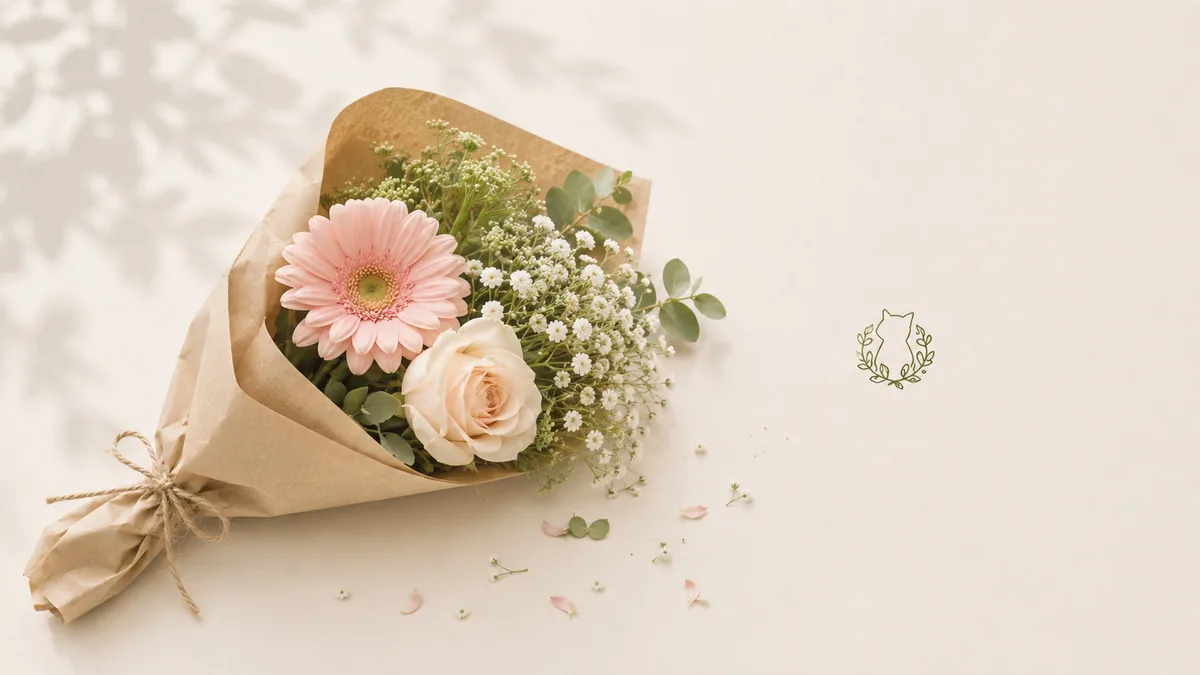
Got a Bouquet? What to Do If You Have a Cat
A bouquet is a lovely surprise — but if you live with a cat, there are a few things to take care of right away. From checking what's in the arrangement to choosing the right vase, here's what actually helps, in order.
Why Cats Chew Plants, and How to Stop It
A cat chewing and tearing at plants isn't just mischief — there's an instinct behind it. Once you understand why, the ways to stop it follow naturally.