Lambkill
Kalmia augustifolia · Ericaceae
How it looks
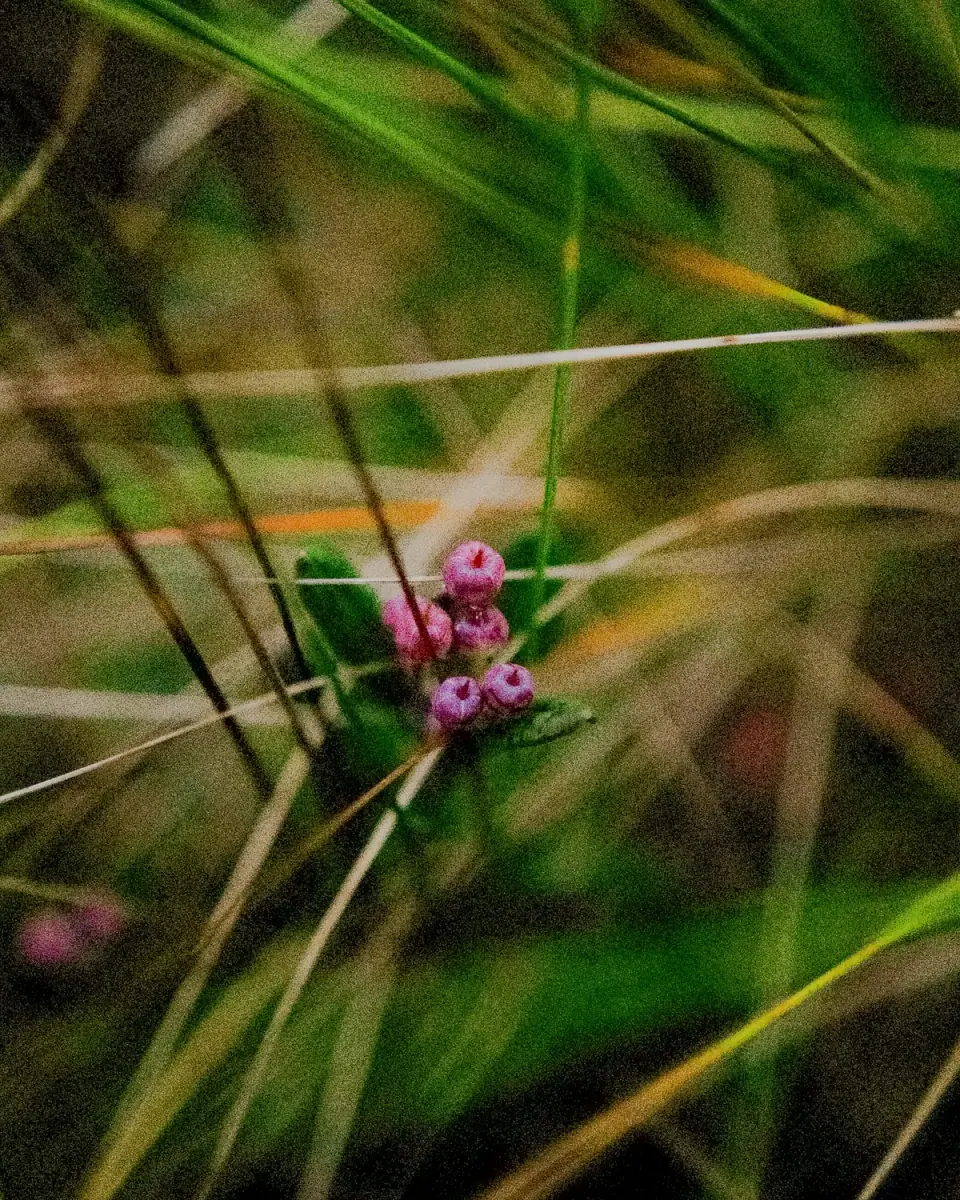
Lambkill (Kalmia) is an evergreen shrub with narrow, long, leathery leaves arranged opposite one another. In late spring, pink-to-purple cup-shaped flowers cluster at the branch tips. Height 20 in to 5 ft (50 cm–1.5 m), with a low, spreading form.
Dangerous — heart toxicity
All parts of this plant contain grayanotoxins; even a small amount can trigger vomiting, diarrhea, and weakness, which may progress to heart failure.
If ingested
Contact your nearest vet immediately
- Action
- Go to an animal hospital immediately. Don't wait, even if symptoms seem mild.
- Symptoms
- Vomiting, Diarrhea, Weakness, Cardiac failure
- Onset (typical course)
- 2–6 hours after ingestion
Guide for parents
Sheep laurel, also called lambkill, is a shrub in the heath family that grows in damp meadows — and the name says how dangerous it is. The whole plant, including leaves, flowers, and nectar, contains the cardiac toxin grayanotoxin, so even a small nibble can take a cat from vomiting and diarrhea to weakness and heart failure.
Related plants with the same toxin
Sheep laurel is in the same Kalmia genus as mountain laurel and bog laurel, and the same heath family as azaleas and rhododendrons. They all share the same grayanotoxin and act on the heart the same way. Rather than trying to identify the exact species, treat every shrub in this group as off-limits for cats.
How cats get exposed
The leaves and flowers are toxic, and so is the nectar. In a garden or on a balcony, a cat can be exposed by chewing fallen leaves and flowers, or by licking its paws after brushing against the plant. Cut branches carry the same risk.
How symptoms progress
Signs usually begin within 2–6 hours as vomiting and diarrhea, followed by marked weakness. As grayanotoxin acts on the heart muscle, it can progress to heart failure. The cardiac signs can show up later than the digestive ones.
What to do right now
If there's any chance your cat chewed or swallowed part of it, don't wait even without symptoms. Don't induce vomiting at home — note what and how much was eaten and get to a vet right away. Cardiac signs can worsen abruptly, so monitoring at a clinic that can watch the heart is safest.
Details
- Scientific name
- Kalmia augustifolia
- Common name
- Lambkill
- Family
- Ericaceae
- Toxic parts
- All parts
- Compounds
- Grayanotoxins
- Source
- ASPCA cats plant list
Related plants
Same plant family· Ericaceae
Related guides
Top 10 Flowers Dangerous to Cats — The Ones You See at Florists
Ten flowers you'll commonly find at florists and grocery stores that are toxic to cats. Check before you receive them, and before you bring them home.
Got a Bouquet? What to Do If You Have a Cat
A bouquet is a lovely surprise — but if you live with a cat, there are a few things to take care of right away. From checking what's in the arrangement to choosing the right vase, here's what actually helps, in order.
Why Cats Chew Plants, and How to Stop It
A cat chewing and tearing at plants isn't just mischief — there's an instinct behind it. Once you understand why, the ways to stop it follow naturally.