Yesterday Today and Tomorrow
Brunfelsia species · Solanaceae
How it looks
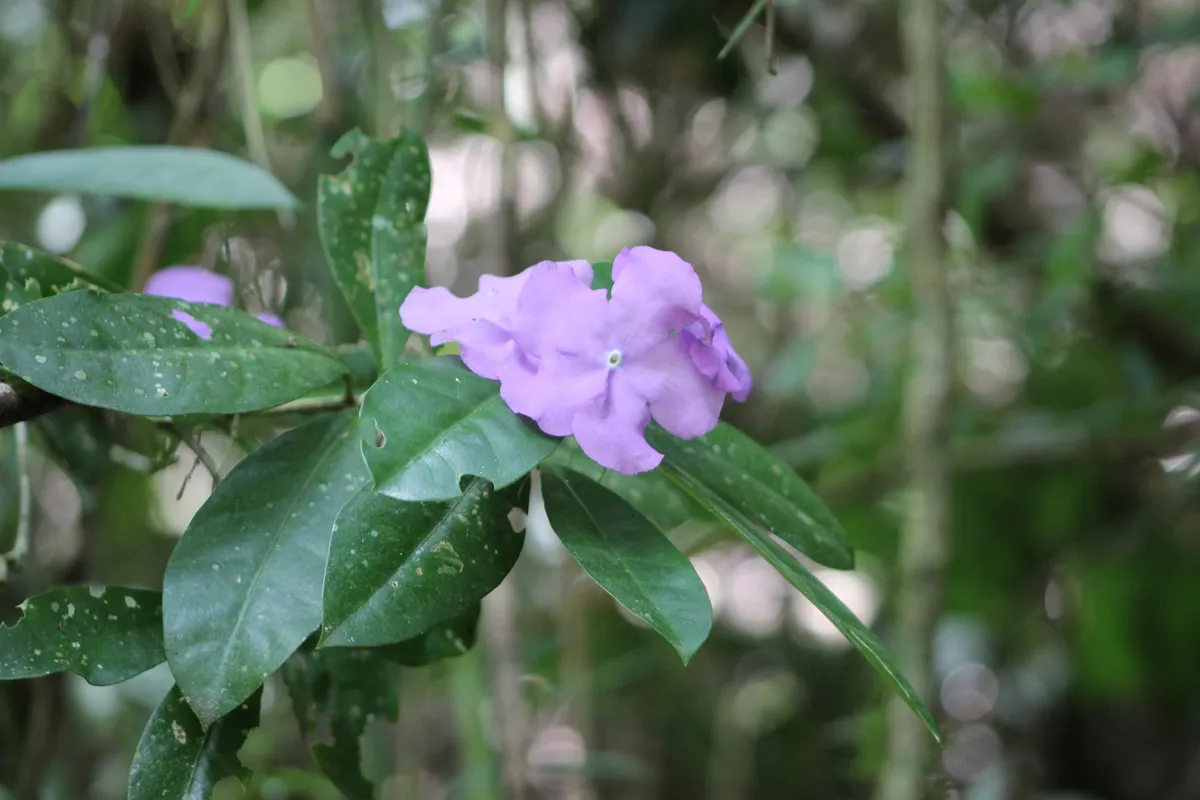
Yesterday Today and Tomorrow (Brunfelsia) is a shrub that earned its nickname because purple, lavender, and white flowers bloom on the same branch at once. The flowers change color daily, have a white ring at the center, and are strongly fragrant. The glossy oval leaves are arranged alternately, and the plant stands 3–10 ft (1–3 m) tall.
Dangerous — seizures
All parts of Yesterday Today and Tomorrow, especially the fruit and seeds, contain neurotoxins such as brunfelsamidine; ingestion can lead to vomiting, tremors, and seizures.
If ingested
Contact your nearest vet immediately
- Action
- Go to an animal hospital immediately. Don't wait, even if symptoms seem mild.
- Symptoms
- Vomiting, tremors, seizures
- Onset (typical course)
- 2–6 hours after ingestion
Guide for parents
Brunfelsia is a potted plant nicknamed "yesterday-today-and-tomorrow" because its blooms shift from purple to white as they age. The color-changing flowers are charming, but the whole plant — and especially the berries and seeds — contains neurotoxins such as brunfelsamidine, and ingestion can lead from vomiting and tremors to seizures.
Which parts are dangerous
The leaves and flowers aren't safe either, but the toxin is strongest in the berries and seeds that form after flowering. Cats readily bat around and chew the small, loose berries like toys, so the fruiting period is the most dangerous time.
How cats get exposed
It's usually grown as an indoor potted plant, and cats are most often exposed by chewing a fallen flower or berry. Placing the pot up high doesn't help once a dropped berry rolls to the floor, so remove spent flowers before they set fruit, or keep the plant somewhere the cat truly can't reach.
How symptoms progress
Signs usually begin within 2–6 hours with vomiting, drooling, and tremors, then progress to convulsions and seizures. Neurological signs are the hallmark, and because onset can be somewhat delayed in individual cases, a known ingestion is worrying even without symptoms yet.
What to do right now
If there's any sign of chewing or swallowing, get to a 24-hour emergency vet immediately even without symptoms. Don't induce vomiting at home, and tell the vet if berries may have been eaten. Seizures can progress quickly, so early action matters.
Details
- Scientific name
- Brunfelsia species
- Common name
- Yesterday Today and Tomorrow
- Family
- Solanaceae
- Toxic parts
- All parts (especially the fruit, Seeds)
- Compounds
- Brunfelsamidine, Hopeanine
- Source
- ASPCA cats plant list
Related plants
Same plant family· Solanaceae
Related guides

Top 10 Flowers Dangerous to Cats — The Ones You See at Florists
Ten flowers you'll commonly find at florists and grocery stores that are toxic to cats. Check before you receive them, and before you bring them home.
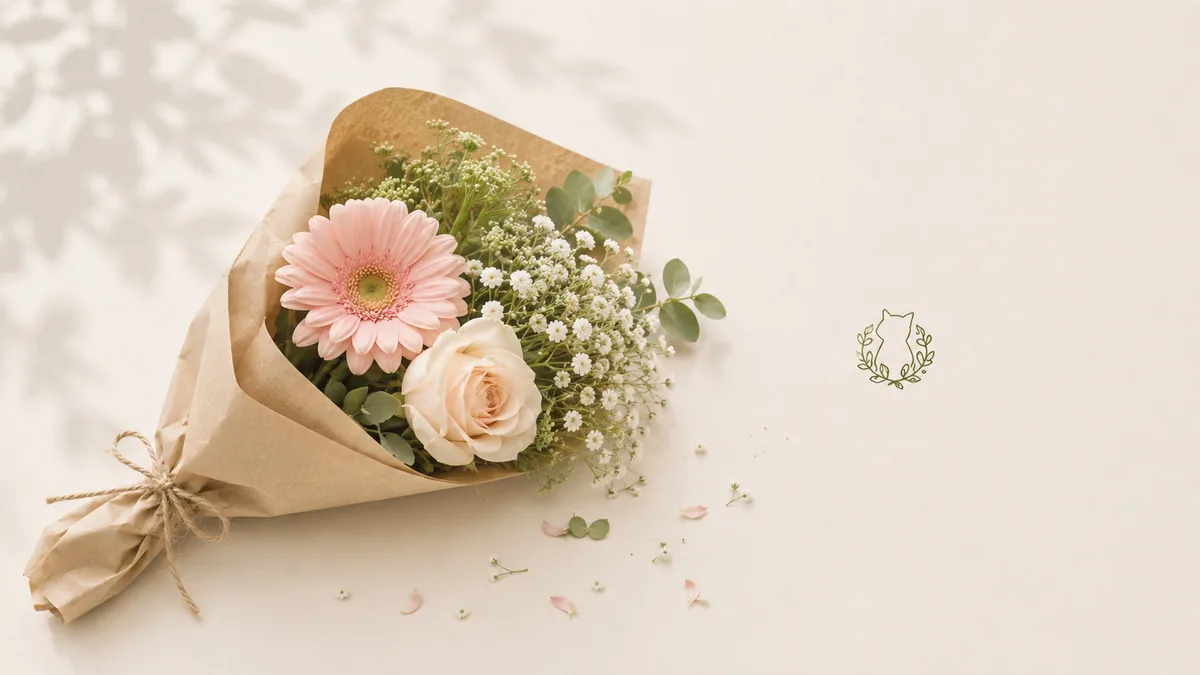
Got a Bouquet? What to Do If You Have a Cat
A bouquet is a lovely surprise — but if you live with a cat, there are a few things to take care of right away. From checking what's in the arrangement to choosing the right vase, here's what actually helps, in order.
Why Cats Chew Plants, and How to Stop It
A cat chewing and tearing at plants isn't just mischief — there's an instinct behind it. Once you understand why, the ways to stop it follow naturally.