Leek
Allium ampeloprasum · Amaryllidaceae
How it looks
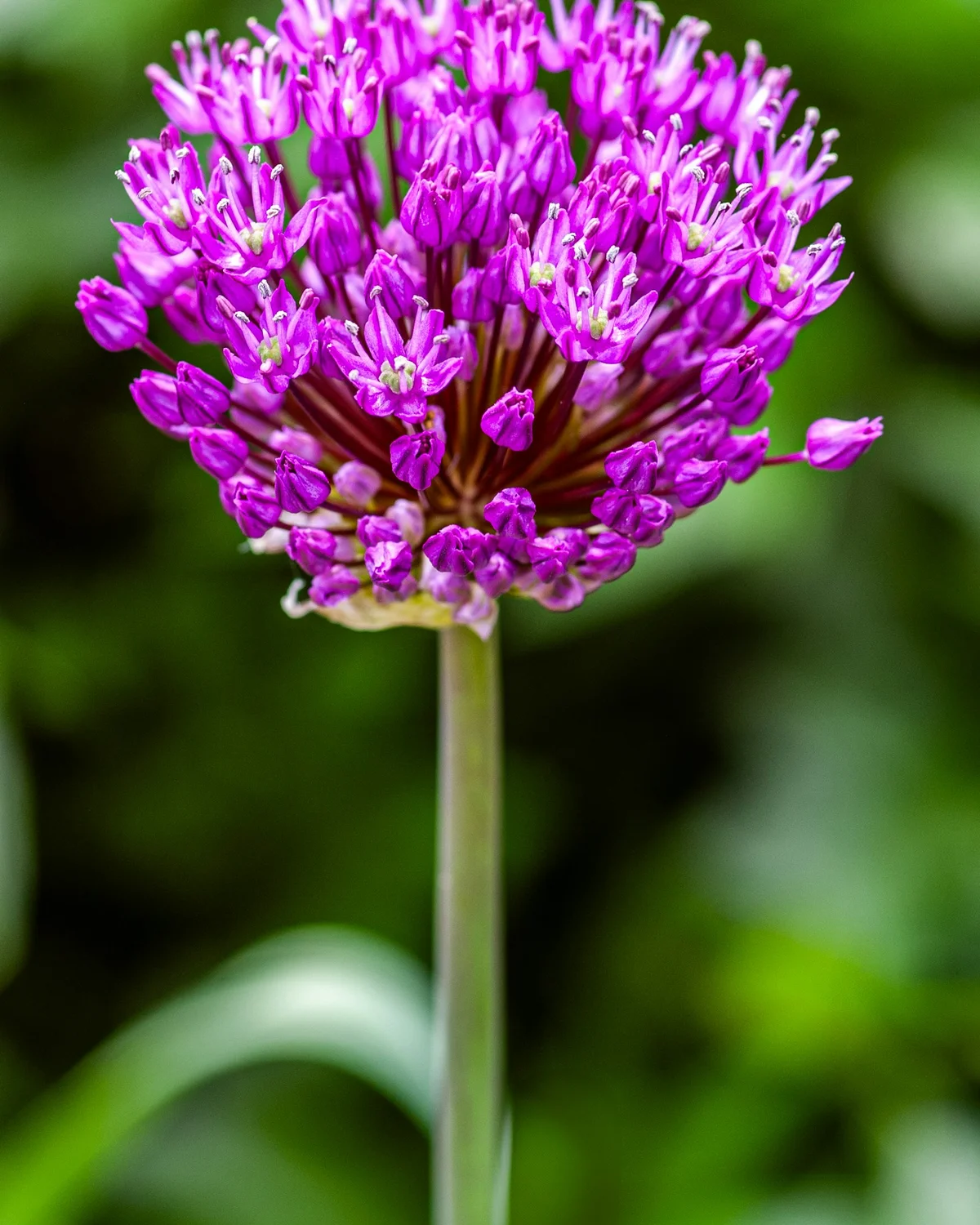
Leek is an onion-family plant with a thick, white stalk and broad, flat dark green leaves that fan out in a V shape. It has a strong onion-family aroma and grows upright at 2–3 ft (60 cm–1 m). Its leaves are broader and flatter than those of green onions.
Dangerous — hemolytic anemia
Leek looks like a mild stalk of greens, but it is an allium — the same group as garlic and onion. Its sulfur compounds destroy red blood cells and cause hemolytic anemia, along with blood in the urine, weakness, a racing heart, and labored breathing.
If ingested
Contact your nearest vet immediately
- Action
- Go to an animal hospital immediately. Don't wait, even if symptoms seem mild.
- Symptoms
- Vomiting, Hemolytic anemia, Blood in urine, Weakness, Increased heart rate, Difficulty breathing
- Onset (typical course)
- 1–4 hours after ingestion
Guide for parents
Leek looks like a mild stalk of greens, but it is an allium — the same genus as garlic and onion. It works on cats exactly the way they do: its sulfur compounds oxidatively damage red blood cells and cause hemolytic anemia. Neither the dark leaves trimmed off nor the pale stalk that goes into soup should ever reach your cat's mouth.
Exposure almost always happens in the kitchen. Scraps that drop while trimming, a stalk left on the cutting board, even a spoonful of broth simmered with leek are all dangerous. Cooking or blending does not reduce the toxicity, so put trimmings straight into a lidded bin and keep the counter clear.
Vomiting is usually the first thing you see, and the dangerous part — hemolytic anemia — may not show up right away. Lethargy, a racing heart, labored breathing, or reddish urine are signs that red blood cells are being destroyed. Blood in the urine is the clue you are most likely to catch in the litter box, so glance at the color when you scoop. If you suspect ingestion, go to the vet without waiting, even if your cat looks fine.
Details
- Scientific name
- Allium ampeloprasum
- Common name
- Leek
- Family
- Amaryllidaceae
- Toxic parts
- All parts
- Compounds
- N-propyl disulfide, Thiosulfates
- Source
- ASPCA cats plant list
Related plants
Same plant family· Amaryllidaceae
Related guides
Top 10 Flowers Dangerous to Cats — The Ones You See at Florists
Ten flowers you'll commonly find at florists and grocery stores that are toxic to cats. Check before you receive them, and before you bring them home.
Got a Bouquet? What to Do If You Have a Cat
A bouquet is a lovely surprise — but if you live with a cat, there are a few things to take care of right away. From checking what's in the arrangement to choosing the right vase, here's what actually helps, in order.
Why Cats Chew Plants, and How to Stop It
A cat chewing and tearing at plants isn't just mischief — there's an instinct behind it. Once you understand why, the ways to stop it follow naturally.