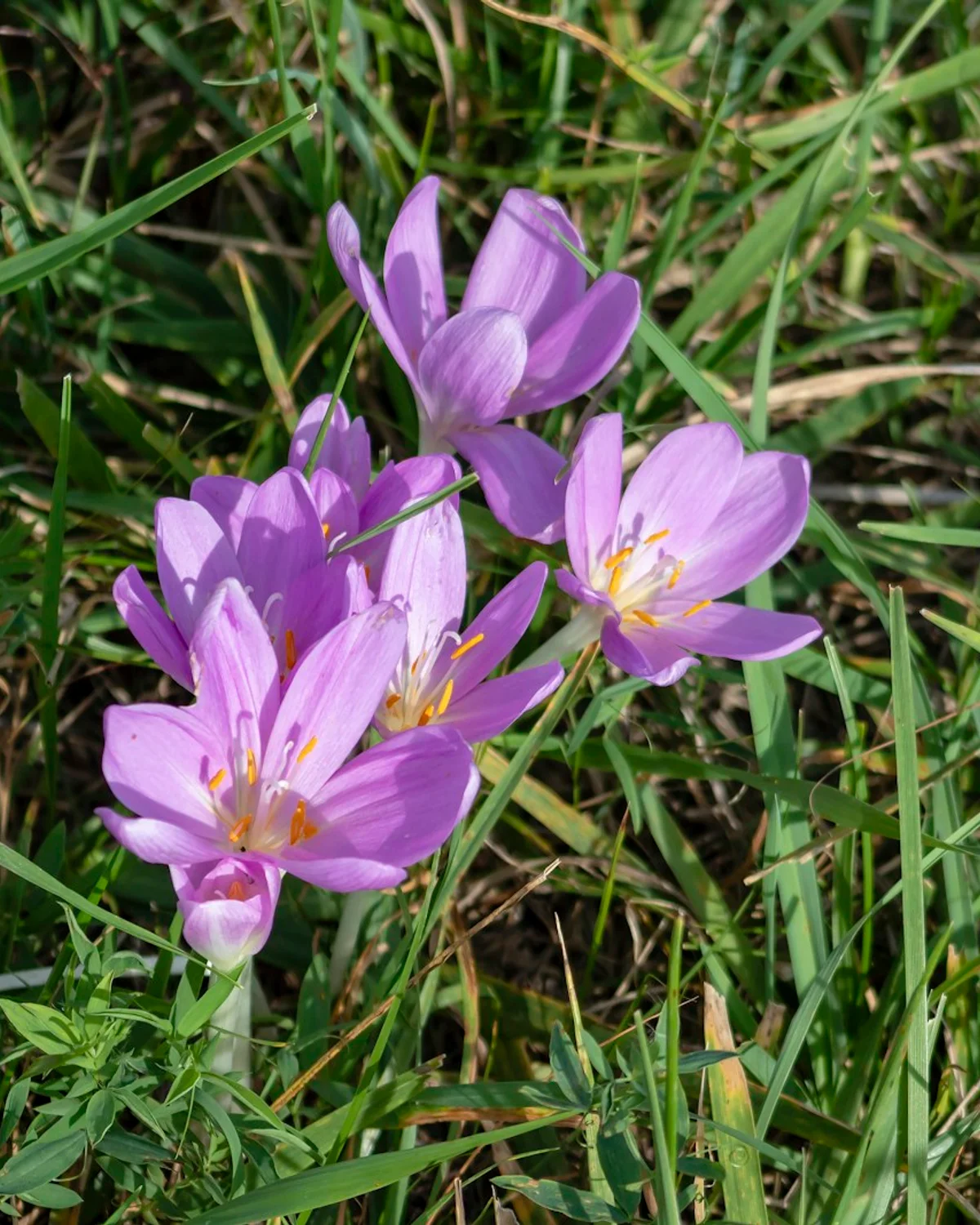
Autumn Crocus
Colchicum autumnale · Colchicaceae
How it looks
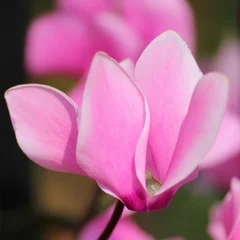
The Autumn Crocus (Colchicum) is a bulb plant whose pink to purple cup-shaped flowers rise directly from the ground without leaves in autumn. The six petals spread out long to the sides, resembling a true crocus. The leaves come up in spring after the flowers fade, in a long, narrow form.
Deadly — colchicine
All parts of autumn crocus, especially the corm, contain colchicine. Even a small amount can lead to bloody vomiting and diarrhea, shock, and damage to multiple organs.
If ingested
Contact your nearest vet immediately
- Action
- Go to a 24-hour animal hospital immediately. Don't wait, even if there are no symptoms.
- Symptoms
- Bloody vomiting, Diarrhea, Shock, Multi-organ damage, Bone marrow suppression, Oral irritation
- Onset (typical course)
- 6–24 hours after ingestion (symptoms may be delayed)
Guide for parents
Autumn crocus blooms in pale purple in fall and is often called "autumn crocus," but it's an entirely different plant from the true spring-blooming crocus. The whole plant, and especially the corm, contains a powerful toxin called colchicine, so even a small amount can lead to bloody vomiting and diarrhea, shock, and damage to multiple organs.
Told apart from spring crocus and other colchicine plants
The true spring crocus is only a mild stomach irritant, but autumn crocus causes colchicine poisoning that breaks down multiple organ systems at once. It shares essentially the same danger as glory lily, which carries the same colchicine, so don't be reassured by a "crocus" or "lily" name — keep both plants away from cats.
How cats get exposed
The leaves and flowers are dangerous, but the toxin is most concentrated in the corm. Repotting or tidying a flower bed, when the corm is exposed, is especially risky, and a cat can be exposed by digging in the soil or chewing a fallen petal.
How symptoms progress
Signs begin with oral irritation, then bloody vomiting and diarrhea, and can progress to shock. Colchicine poisoning follows a delayed pattern: the early signs may seem to ease, then bone-marrow suppression and multi-organ damage appear later. Bone-marrow suppression means new blood cells stop being made, so recovery is slow and infections take hold easily. A mild-looking start is no reassurance.
What to do right now
If there's any sign of chewing or swallowing, get to a 24-hour emergency vet immediately even if symptoms are faint. Don't induce vomiting at home, and tell the vet if the corm may have been involved. Colchicine has no specific antidote, so early intensive care decides the outcome.
Safer plants instead
If you want a seasonal potted plant, confirmed-safe roses or gerbera daisies are good choices.
Details
- Scientific name
- Colchicum autumnale
- Common name
- Autumn Crocus
- Family
- Colchicaceae
- Toxic parts
- All parts (especially the bulbs)
- Compounds
- Colchicine
- Source
- ASPCA cats plant list
Related plants
Same plant family· Colchicaceae
Related guides

Top 10 Flowers Dangerous to Cats — The Ones You See at Florists
Ten flowers you'll commonly find at florists and grocery stores that are toxic to cats. Check before you receive them, and before you bring them home.

Got a Bouquet? What to Do If You Have a Cat
A bouquet is a lovely surprise — but if you live with a cat, there are a few things to take care of right away. From checking what's in the arrangement to choosing the right vase, here's what actually helps, in order.
Why Cats Chew Plants, and How to Stop It
A cat chewing and tearing at plants isn't just mischief — there's an instinct behind it. Once you understand why, the ways to stop it follow naturally.