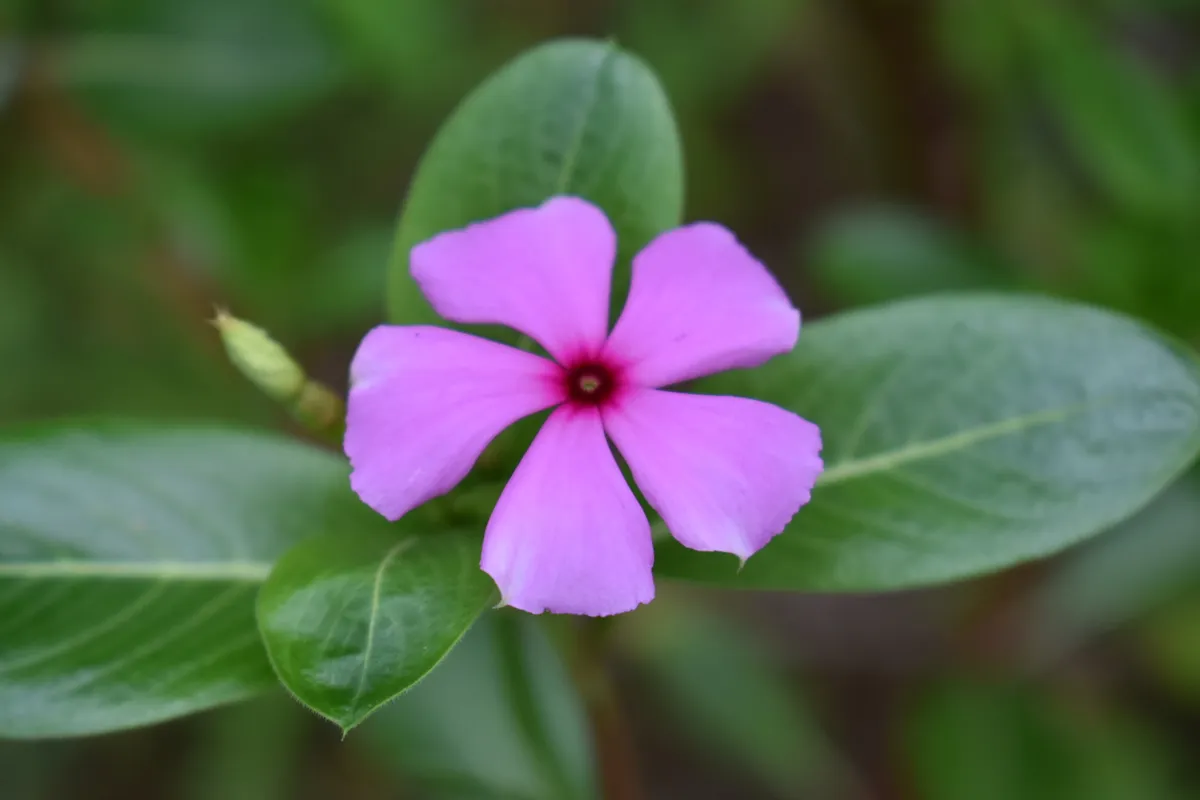
Periwinkle
Vinca rosea · Apocynaceae
How it looks
Periwinkle is a trailing vine with glossy, dark green oval leaves in opposite pairs and stems that creep along the ground. It produces flowers with five pink, purple, or white petals that open like a pinwheel. It grows 12-24 in (30-60 cm) tall and is commonly planted outdoors as a groundcover.
Serious — nervous system and GI toxicity
All parts of periwinkle contain vinca alkaloids; even a small amount can cause vomiting and diarrhea, and larger amounts can progress to tremors, low blood pressure, and seizures.
If ingested
Contact your nearest vet immediately
- Action
- Go to an animal hospital immediately. Don't wait, even if symptoms seem mild.
- Symptoms
- Vomiting, Diarrhea, Low blood pressure, Depression, Tremors, Seizures, Coma, Death
- Onset (typical course)
- 2–6 hours after ingestion
Guide for parents
Periwinkle (also known as Vinca or Catharanthus) is a common bedding and container ornamental, but keep it out of a home with a cat. The whole plant contains vinca alkaloids, so even a small amount affects the digestive tract and nervous system.
How cats get exposed
The leaves, flowers, and stems are all toxic, and the compounds also leach into the water holding cut stems. It is often planted along bed edges or in hanging baskets, so cats get exposed by nibbling leaves in passing or chewing fallen flowers.
How symptoms progress
Signs usually begin within a few hours with vomiting and diarrhea. Because vinca alkaloids also act on the nervous system, larger amounts can progress to tremors, wobbliness, low blood pressure, and seizures. The more that is eaten, the more prominent the neurological signs.
What to do right now
If there is any chance your cat chewed or swallowed it, contact your vet without delay, even if the signs look mild. It helps to tell them roughly how much was eaten and when. Do not induce vomiting on your own at home.
Safer alternatives
If you want flowers in the beds or pots of a home with a cat, consider confirmed-safe options like roses or gerbera daisies.
Details
- Scientific name
- Vinca rosea
- Common name
- Periwinkle
- Family
- Apocynaceae
- Toxic parts
- All parts
- Compounds
- Vinca alkaloids (vincristine, vinblastine)
- Source
- ASPCA cats plant list
Also known as
Related plants
Same plant family· Apocynaceae
Related guides

Top 10 Flowers Dangerous to Cats — The Ones You See at Florists
Ten flowers you'll commonly find at florists and grocery stores that are toxic to cats. Check before you receive them, and before you bring them home.
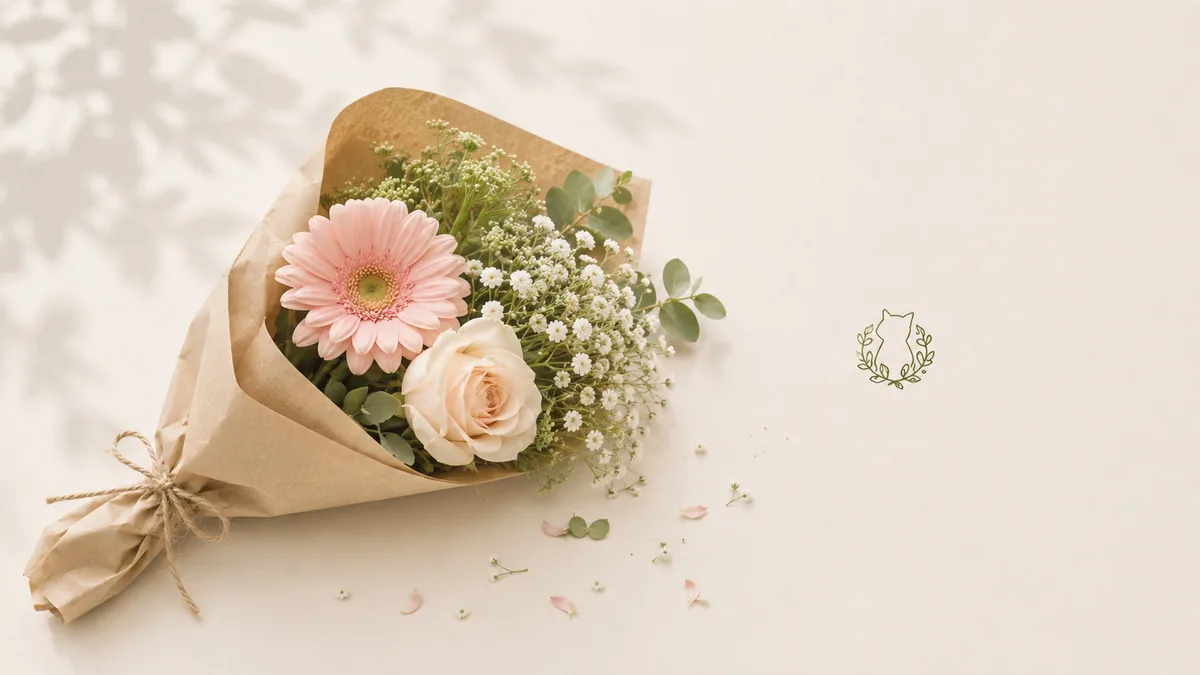
Got a Bouquet? What to Do If You Have a Cat
A bouquet is a lovely surprise — but if you live with a cat, there are a few things to take care of right away. From checking what's in the arrangement to choosing the right vase, here's what actually helps, in order.
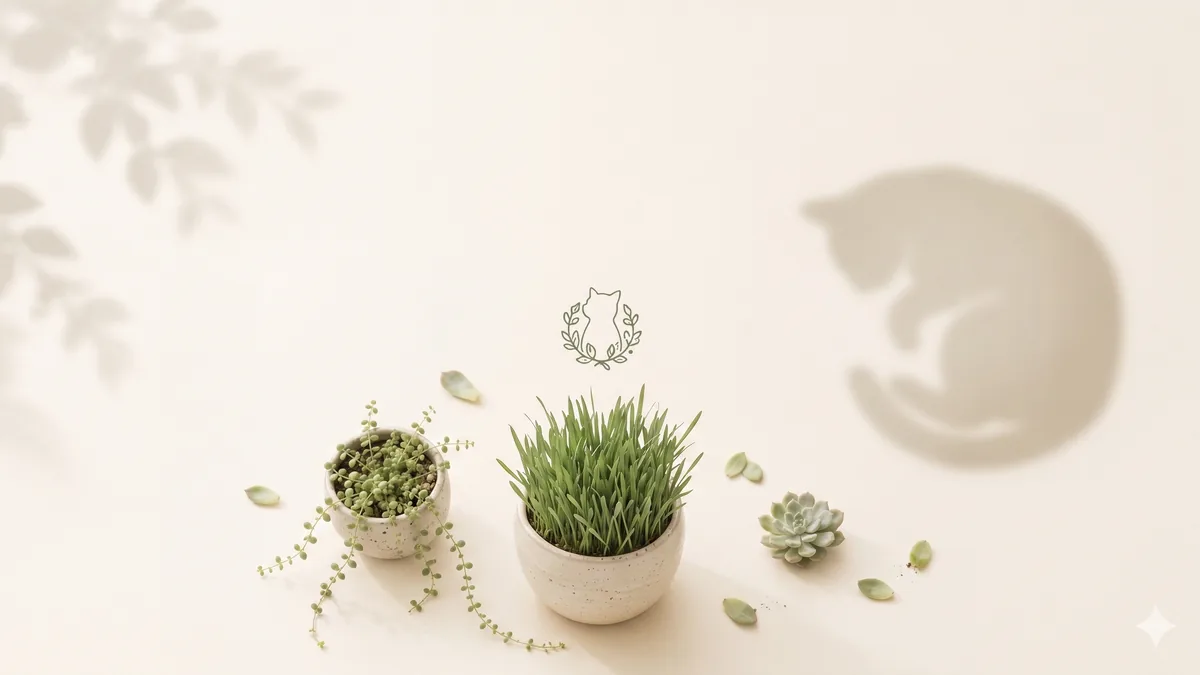
Why Cats Chew Plants, and How to Stop It
A cat chewing and tearing at plants isn't just mischief — there's an instinct behind it. Once you understand why, the ways to stop it follow naturally.