Red Lily
Lilium umbellatum · Liliaceae
How it looks
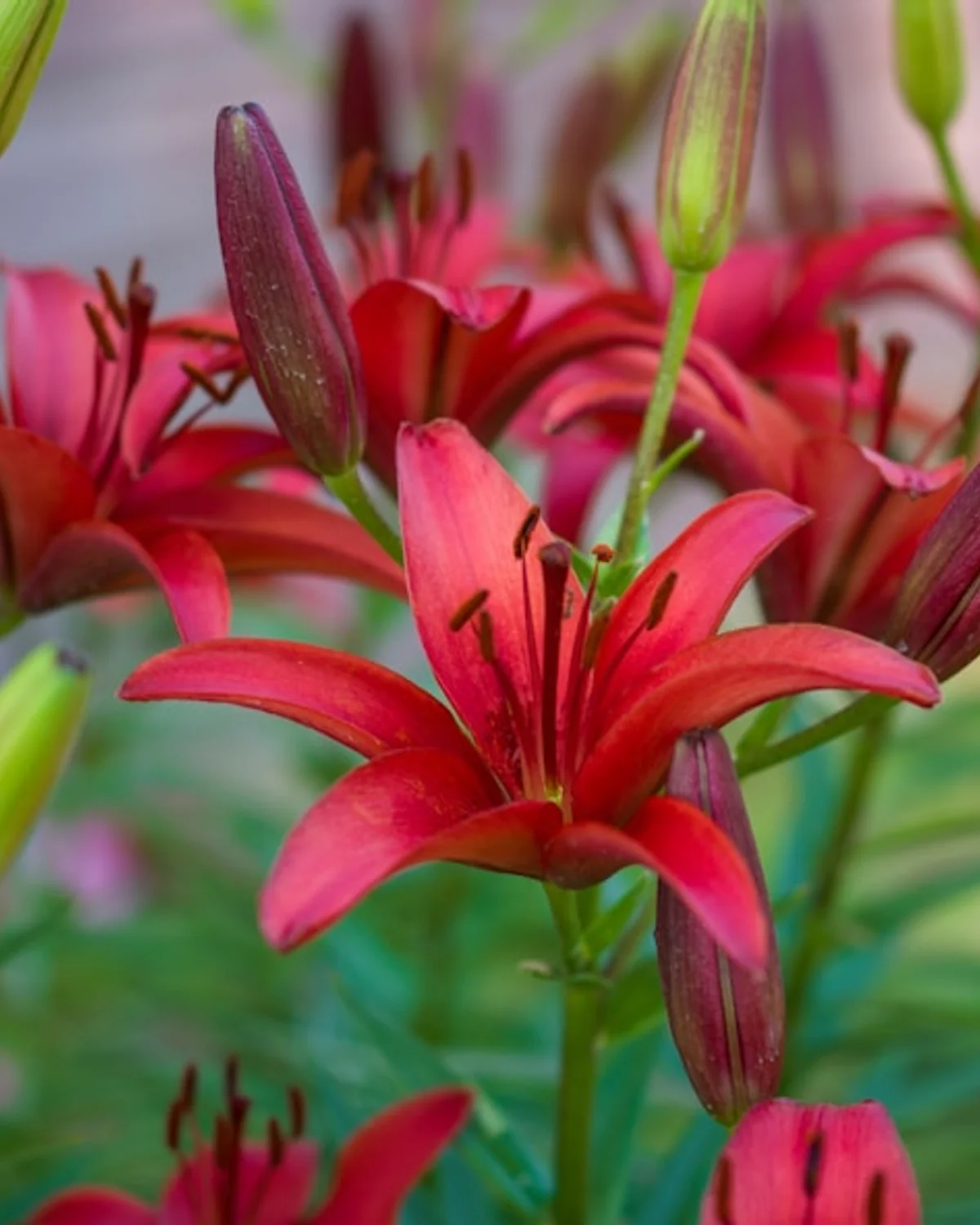
Red Lily (Lilium umbellatum) is a lily cultivar that blooms with red and orange flowers opening wide facing upward. The six petals bear deep spots, and the yellow anthers protrude on long filaments. The leaves are narrow, long, and sword-shaped, wrapping around the stem. Height 24-47 in (60-120 cm).
Deadly — kidney failure
Red Lily is a true lily (Lilium) and causes kidney failure in cats. Petals, pollen, and leaves are all deadly, and even vase water is dangerous.
If ingested
Contact your nearest vet immediately
- Action
- Go to a 24-hour animal hospital immediately. Don't wait, even if there are no symptoms.
- Symptoms
- Vomiting, inappetence, lethargy, kidney failure, death
- Onset (typical course)
- 6–24 hours after ingestion (symptoms may be delayed)
Guide for parents
The red lily (wood lily) is a true lily (genus Lilium) with vivid orange-red blooms, and it causes fatal kidney failure in cats. It's commonly planted in gardens and beds and often ends up in vases.
It is a true lily
The red lily carries the same kidney-failure risk as the lily, the Easter lily, and the daylily. Don't confuse it with the peace lily, a lily in name only — the nature of the danger is completely different.
How cats get exposed
Petals, leaves, pollen, and vase water are all toxic. Don't bring it indoors as a cut flower, and if it's planted in a bed, keep it fully away from balconies and yards your cat uses. A cat can be poisoned just by grooming pollen off its fur.
How symptoms progress
Vomiting, drooling, and loss of appetite come first, 6–12 hours after ingestion, then a "false recovery" window while kidney damage quietly advances. By 24–72 hours urine output drops sharply and kidney failure appears — and by then it is hard to reverse even with treatment.
What to do right now
If there's any chance your cat touched or ate it, go to a 24-hour emergency vet immediately even without symptoms. Don't induce vomiting at home; IV fluids started within 6 hours of exposure are what protect the kidneys.
Safer flowers instead
If you want a red flower, switch to cat-safe roses or gerbera daisies.
Details
- Scientific name
- Lilium umbellatum
- Common name
- Red Lily
- Family
- Liliaceae
- Toxic parts
- All parts
- Compounds
- Unknown (presumed steroidal saponins)
- Source
- ASPCA cats plant list
Related plants
Same plant family· Liliaceae




Related guides
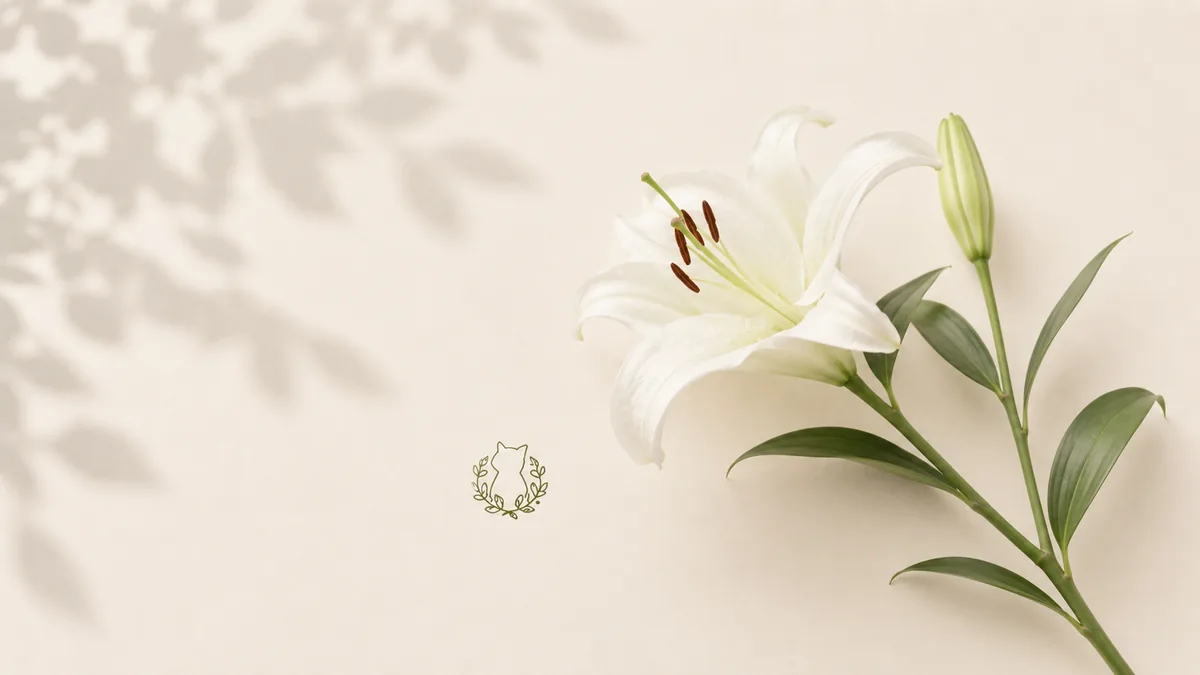
What to Do If Your Cat Ate a Lily
Lilies are deadly to cats. Eating a single leaf can lead to kidney failure. If you suspect your cat has ingested any part of a lily, here's what to do right now.

Top 10 Flowers Dangerous to Cats — The Ones You See at Florists
Ten flowers you'll commonly find at florists and grocery stores that are toxic to cats. Check before you receive them, and before you bring them home.

Got a Bouquet? What to Do If You Have a Cat
A bouquet is a lovely surprise — but if you live with a cat, there are a few things to take care of right away. From checking what's in the arrangement to choosing the right vase, here's what actually helps, in order.